Maritime ·
How Fishermen and Scientists Work Together to Protect the Sea
Imagine the ocean as a living, breathing library — every fish, coral, and whale tells a story. But to truly understand those stories, we need both the scientists who study the data and the fishermen who live the experien...
By Rebecca "Madam Chronicler" Ryan
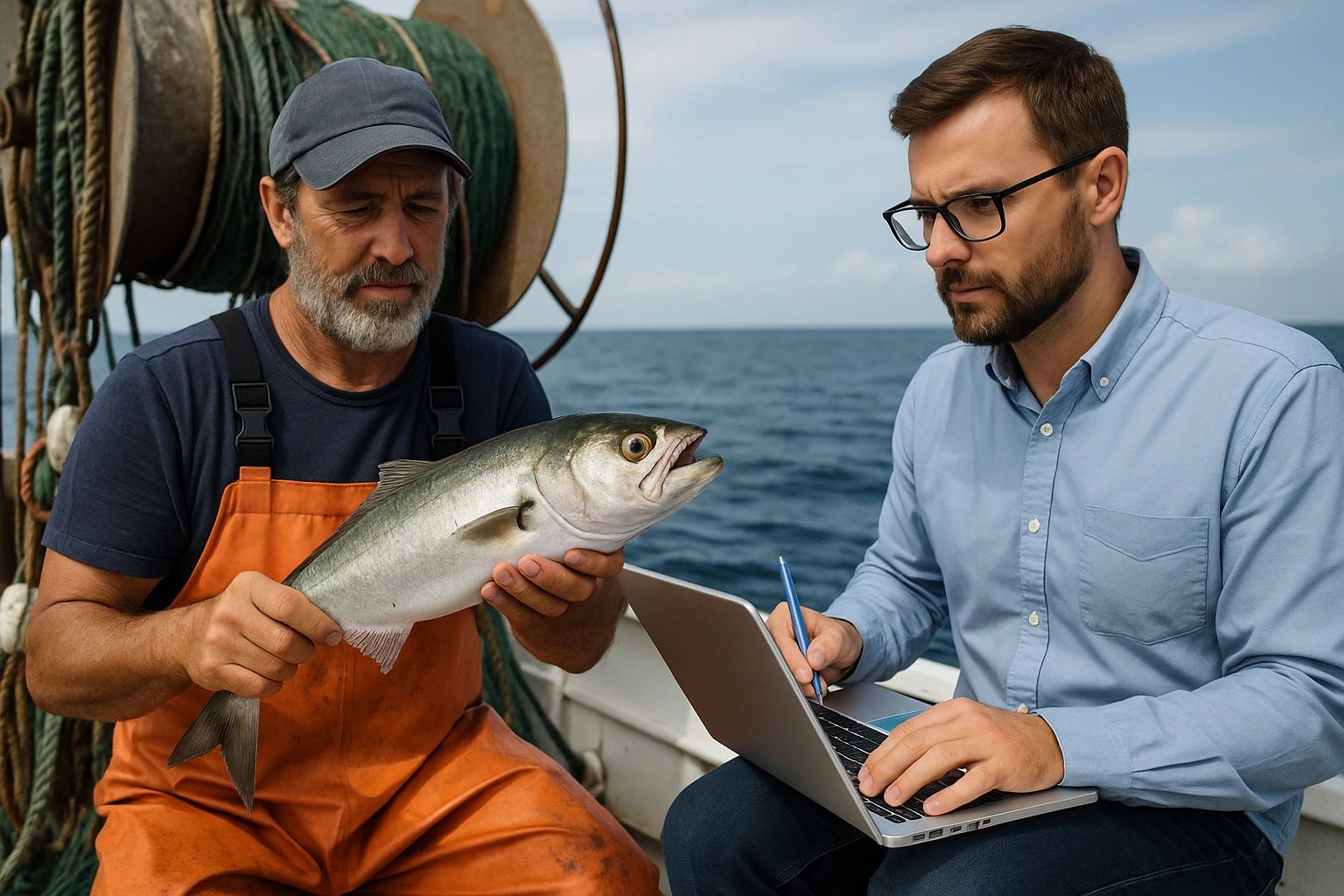
Imagine the ocean as a living, breathing library — every fish, coral, and whale tells a story. But to truly understand those stories, we need both the scientists who study the data and the fishermen who live the experience. When these two groups work together, the result is powerful: healthier seas, stronger fisheries, and coastal communities that thrive.
Let’s dive into how this partnership works, why it matters, the challenges they face, and how it’s shaping the future of our blue planet.
Why Collaboration Matters
Science Needs Local Knowledge
Fisheries science depends on accurate information about fish populations — how many fish there are, where they live, when they reproduce, and what threatens them. But collecting that data across vast oceans is tough.
Fishermen spend more time on the water than anyone else. They notice subtle changes: which reefs are full of life, when fish migrate earlier, or where new species appear. This kind of insight is called local ecological knowledge (LEK) or traditional fisher knowledge (TFK). It’s an invaluable complement to scientific data collection (Kilchenmann et al., 2024).
By blending LEK with formal research, scientists can fill data gaps, and fishermen see how their knowledge contributes to sustainability.
Shared Goals, Shared Seas
When fishermen and scientists collaborate, they often discover they share the same goal: keeping the ocean alive for future generations.
A healthy fish population means sustainable catches and long-term stability for fishing communities. For scientists, it means resilient marine ecosystems. And for the ocean itself, it means balance.
Research shows that when fishers are involved in conservation projects, such as citizen-science programs, the chances of success rise dramatically (Fulton et al., 2018).
How Fishermen and Scientists Collaborate
1. Co-Designing Research Questions
The best partnerships start with listening. Instead of scientists dictating research plans, fishermen and scientists brainstorm questions together.
For example:
- “Why have our grouper catches dropped this year?”
- “How are warming waters affecting our lobsters?”
- “Are marine protected areas (MPAs) actually helping fish recover?”
When fishermen help define the questions, the science becomes more practical and the results more trusted (Steins et al., 2023).
2. Collecting Data Together
Fishermen are increasingly becoming citizen scientists — helping to collect and log scientific data during their daily work.
A great example is the California Collaborative Fisheries Research Program (CCFRP), where volunteer anglers partner with scientists to survey fish populations inside and outside MPAs. Over the years, anglers have collected thousands of samples, providing vital long-term data (Johnston et al., 2024).
Fishermen record species, location, water temperature, and fish length. Scientists later analyze the data to track population changes. This collaboration has proven that MPAs improve fish abundance — and also improved fishermen’s trust in marine science (Mason et al., 2020).
3. Combining Expertise
Fishermen bring historical and behavioral insights — like knowing which reefs were once thriving or where spawning happens. Scientists bring research design, sampling methods, and statistical models.
When the two work together, they can identify trends neither could see alone. For instance, in the Mexican Caribbean, fishermen helped researchers locate and protect critical spawning aggregation sites. Areas where fishermen participated were successfully protected — while areas without fisher involvement lost their breeding populations (Fulton et al., 2018).
4. Turning Data into Action
Data means little without action. Once scientists and fishermen collect information, they work with managers to create better policies — from seasonal closures and catch limits to habitat protection.
When fishermen see that their data helps shape these rules, they become more invested in conservation. Transparency turns skepticism into support.
5. Building Trust
Trust is the backbone of successful partnerships. Fishermen sometimes feel that scientists or regulators don’t understand their livelihoods. Scientists, meanwhile, worry about data accuracy or bias.
Building trust takes time. Open communication, joint decision-making, and equal recognition (like co-authorships on research papers) help bridge the gap (Kilchenmann et al., 2024).
What Collaboration Looks Like
Let’s picture a few real-world examples.
Morning on the Water
It’s dawn off California. A small research vessel floats alongside a commercial fishing boat. Fishermen drop their nets while a marine biologist records temperature and depth. They talk about how fish schools shifted over the season. Together, they adjust sampling gear and discuss potential management implications.
By the end of the day, they’ve gathered data that will inform both fishing practices and conservation efforts.
A Community Workshop
In a Florida coastal town, fishermen meet scientists and local officials in a community center. Together they review charts showing declining seagrass beds and changes in red snapper size.
The fishermen suggest creating a voluntary no-fishing zone during spawning season. Scientists agree and propose a six-month pilot study. A year later, fish abundance increases — and fishermen report higher catches in adjacent areas.
Technology Meets Tradition
Fishermen now use smartphone apps and GPS tools to log catches in real time. Scientists integrate that information with satellite data to map fish movement and habitat changes (Olson & Pinto da Silva, 2021).
This “digital co-production” blends old-school intuition with modern data analytics, creating a richer picture of the sea.
The Benefits of Working Together
1. Better Science
When fishermen contribute local observations, the data pool grows wider and more detailed. The resulting science is more accurate and relevant.
A review of co-produced fisheries research found that involving fishermen improved data accuracy and scientific legitimacy (Kilchenmann et al., 2024).
2. Smarter Management
Collaborative data collection helps fisheries managers make more informed decisions. Instead of “one-size-fits-all” policies, they can create adaptive, region-specific rules that make sense for both fish and fishers.
For example, when scientists and anglers collaborated in California, the data directly influenced how MPA boundaries were adjusted to protect key habitats without harming livelihoods (Johnston et al., 2024).
3. Stronger Communities
Fishing communities gain a voice in decision-making. They move from being regulated to being respected partners.
This sense of empowerment builds community resilience and long-term stewardship. In areas with strong collaboration, fishermen are more likely to follow conservation rules because they helped create them (Fulton et al., 2018).
4. Healthier Ecosystems
Protecting spawning grounds, reducing bycatch, and creating science-based closures allow marine ecosystems to recover.
When fishermen and scientists jointly identify critical habitats, fish stocks rebound faster. The result is a thriving marine ecosystem — with benefits cascading up and down the food chain.
Challenges to Collaboration
Even great partnerships face challenges. Here are a few, and how teams are tackling them.
Different Perspectives
Fishermen focus on short-term survival — feeding families, paying bills. Scientists often think long-term — ecosystem health and global trends. These priorities can clash.
Solution: Find common ground early. Use open discussions to link short-term needs with long-term sustainability (Kilchenmann et al., 2024).
Data Quality Concerns
Scientists may worry about consistency in data collected by non-professionals. Fishermen might find strict protocols unrealistic at sea.
Solution: Create clear, simple sampling guidelines. Provide training sessions. Build in peer-review of methods to maintain credibility (Steins et al., 2023).
Funding and Time
Partnerships require time, travel, and equipment. Small-scale fisheries often lack these resources.
Solution: Governments and nonprofits can offer grants to support joint research. Long-term funding builds stability and keeps collaborations alive.
Trust and Communication
Past tensions can lead to skepticism on both sides. Fishermen may feel data will be used against them, while scientists may feel unappreciated.
Solution: Transparency is key. Share all findings publicly. Celebrate success stories together. Trust grows through honesty and consistency (Johnston et al., 2024).
Political Context
Sometimes, even good collaborations struggle in hostile policy environments. The Maine lobster fishery project, for example, faced low participation due to political tensions despite good planning (Kilchenmann et al., 2024).
Solution: Use neutral facilitators and community leaders. Build small wins before scaling up.
Lessons from the Field
Successful partnerships share common traits:
- Start small and build slowly. Pilot projects help build trust.
- Communicate constantly. Keep everyone informed about progress and results.
- Share credit equally. Recognize fishermen’s contributions in reports and publications.
- Be flexible. Adjust methods as conditions change.
- Celebrate results. Publicize success stories to inspire others.
Looking Ahead: The Future of Ocean Collaboration
Citizen Science on the Rise
With smartphones, affordable GPS devices, and digital logbooks, fishermen can easily record and upload catch data. This wave of “citizen science” is transforming fisheries research worldwide (Johnston et al., 2024).
Co-Production of Knowledge
The future of ocean science is collaborative. Instead of scientists simply publishing papers, they’re co-authoring with fishermen and local communities. This co-production ensures that research benefits both science and society (Olson & Pinto da Silva, 2021).
Adapting to Climate Change
As climate change reshapes marine ecosystems, fishermen are often the first to notice new patterns — species appearing earlier, shifting habitats, or declining stocks. Scientists use this frontline intelligence to adapt management strategies faster (Steins et al., 2023).
Global Learning Networks
Collaborative programs like CCFRP in the U.S. and co-management models in Mexico and the Caribbean are inspiring similar efforts worldwide. Sharing best practices across borders could become one of the most powerful tools in global ocean conservation (Fulton et al., 2018).
Why It Matters for Coastal Communities
If you live near the coast — say, in Florida — you’ve seen firsthand how important both fishing and science are. From red tide events to coral bleaching, the ocean is changing.
Partnerships between fishermen and scientists make it possible to:
- Spot early warning signs of environmental shifts.
- Manage fish stocks adaptively.
- Protect habitats like seagrass and mangroves.
- Maintain livelihoods and culture for fishing families.
By blending experience and evidence, communities protect both their economy and their environment.
The Big Picture
The sea doesn’t divide people into “scientists” and “fishermen.” It connects them. The health of our oceans depends on everyone who touches them — from research labs to fishing docks.
When fishermen and scientists work hand in hand, they become guardians of the same treasure. The result isn’t just sustainable seafood — it’s sustainable oceans.
So next time you enjoy a piece of responsibly caught fish, remember: behind it stands a partnership that’s quietly saving the sea.
Bibliography
Fulton, E. A., Parish, J., & Álvarez-Fernández, S. (2018). Marine conservation outcomes are more likely when fishers participate as citizen scientists: Case studies from the Mexican Caribbean. Big Fish Initiative. https://www.bigfishinitiative.com/wp-content/uploads/2024/06/Fulton-et-al.-2018-Marine-Conservation-Outcomes-are-More-Likely-when-Fishers-Participate-as-Citizen-Scientists-Case-Studies-from-th.pdf
Johnston, E. M., Waltz, G. T., Kosaka, R., Brauer, E. M., Ziegler, S. L., Mason, E. T., & Wendt, D. E. (2024). Participation in collaborative fisheries research improves the perceptions of recreational anglers towards marine protected areas. Frontiers in Marine Science, 11, 1330498. https://doi.org/10.3389/fmars.2024.1330498
Kilchenmann, J., McCosker, C. M., Cammen, K. M., & Stoll, J. S. (2024). Endeavoring to engage in cooperative fisheries research in a contentious socio-political climate. ICES Journal of Marine Science, 81(10), 1931–1940. https://doi.org/10.1093/icesjms/fsae165
Mason, E. T., Kellum, A. N., Chiu, J. A., Waltz, G. T., Murray, S., Wendt, D. E., Starr, R. M., & Semmens, B. X. (2020). Long-term participation in collaborative fisheries research improves angler opinions on marine protected areas. PeerJ, 8, e10146. https://doi.org/10.7717/peerj.10146
Olson, J., & Pinto da Silva, P. (2021). Science, social networks, and collaboration: An analysis of publications in fisheries science from 1990 to 2018. ICES Journal of Marine Science, 78(3), 810–820. https://doi.org/10.1093/icesjms/fsab003
Steins, N. A., Hattam, C., Johnson, M. L., & van der Schatte Olivier, A. (2023). Mechanisms and models for industry engagement in collaborative research in fisheries and marine science. Frontiers in Marine Science, 10, 1077944. https://doi.org/10.3389/fmars.2023.1077944
Originally published at the live site .