
Maritime ·
Shark Encounters: An Exploration of Shark Attacks Along the Gulf
The warm waters of the Gulf Coast are a summertime favorite for swimmers, surfers, and beachgoers. Stretching from the tip of Florida to the shores of Texas, this region offers stunning views, beautiful beaches, and endl...
By Rebecca "Madam Chronicler" Ryan
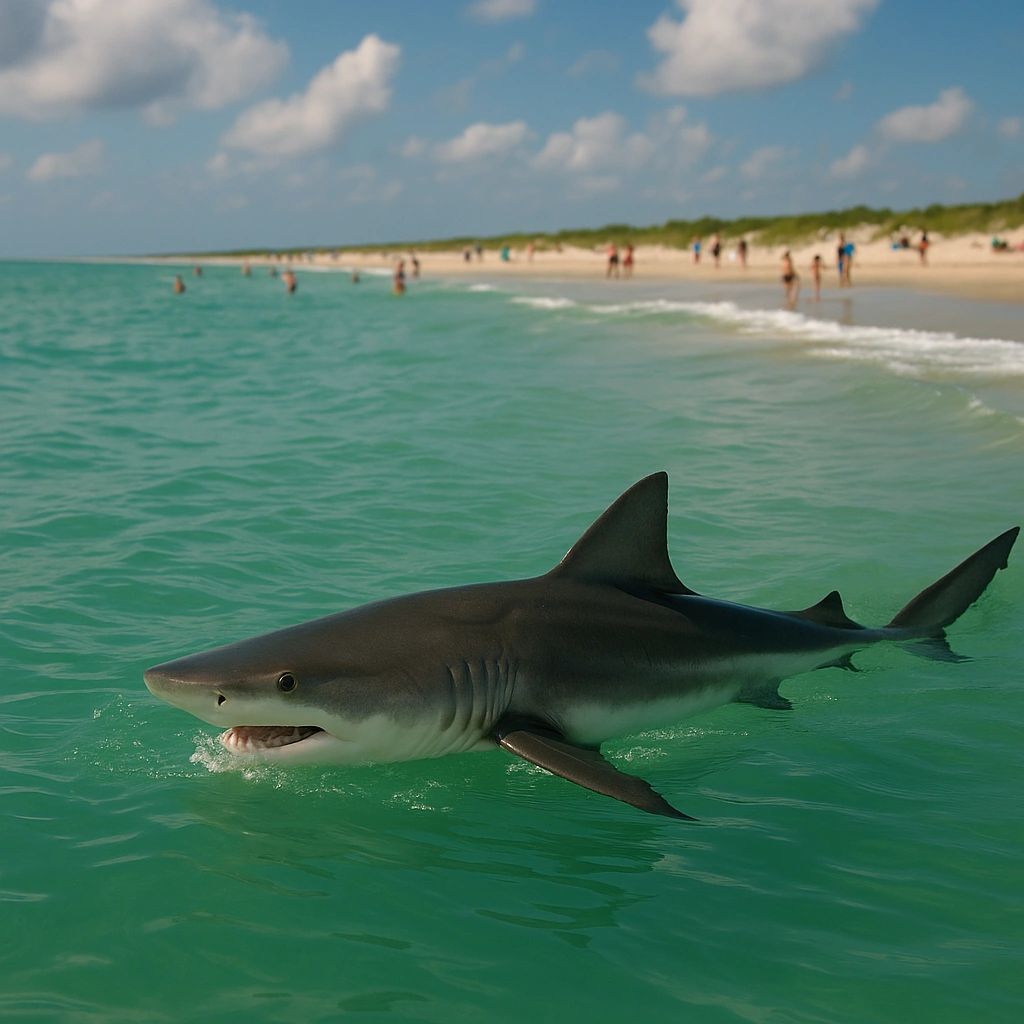
The warm waters of the Gulf Coast are a summertime favorite for swimmers, surfers, and beachgoers. Stretching from the tip of Florida to the shores of Texas, this region offers stunning views, beautiful beaches, and endless outdoor fun. But for all its beauty, the Gulf Coast is also home to some of nature’s most powerful predators—sharks.
In 2024, shark encounters along the Gulf Coast made headlines. While the idea of a shark attack may sound terrifying, the truth is a little more complicated. Let’s dive into what actually happened along the Gulf Coast in 2024, why sharks sometimes come close to shore, and what you need to know to stay safe in the water.
Chapter 1: What Happened in 2024?
According to the International Shark Attack File (ISAF), which is managed by the Florida Museum of Natural History, there were 18 confirmed unprovoked shark attacks along the Gulf Coast in 2024. That’s slightly higher than average, but not alarming when compared to past years.
Here’s how the numbers break down:
- Florida (Gulf side): 8 attacks
- Alabama: 2 attacks
- Mississippi: 1 attack
- Louisiana: 1 attack
- Texas: 6 attacks
No fatalities were reported, though there were several injuries that required medical attention. Most of the bites were minor, involving the legs or feet. These bites often happened in shallow water and involved surfers, swimmers, or people fishing from piers.
Chapter 2: Why Do Shark Attacks Happen?
Shark attacks are extremely rare, and when they do happen, it’s usually a case of mistaken identity. Sharks don’t hunt humans. In fact, humans are not part of a shark’s natural diet. Most shark bites occur when a shark mistakes a person for a fish or seal.
There are a few main reasons why sharks might bite someone:
- Poor visibility: Murky water makes it hard for sharks to see clearly. If a swimmer kicks or splashes, it might look like struggling prey.
- Bait in the water: Fishing from the beach or pier often leaves bits of bait or dead fish in the water. That attracts sharks.
- Time of day: Sharks are more active during dawn and dusk, when visibility is low and many fish are feeding.
- Surf conditions: Choppy water and waves can stir up fish and disorient sharks, leading them closer to shore.
A study published in Marine Ecology Progress Series shows that most shark bites occur within 100 feet of the shoreline, especially in areas with lots of people in the water (Speed et al., 2022).
Chapter 3: Who Are the Main Shark Species Involved?
The Gulf Coast is home to many species of sharks, but only a few are known to bite humans. In 2024, the majority of bites were attributed to three main species:
- Blacktip Shark (Carcharhinus limbatus): These fast, agile sharks are often found in shallow waters. They are responsible for many of the bites in Florida and Alabama. They usually reach 5–6 feet in length and feed on small fish.
- Bull Shark (Carcharhinus leucas): One of the most aggressive shark species, bull sharks are known to swim in both saltwater and freshwater. They were involved in several attacks in Texas and Louisiana.
- Spinner Shark (Carcharhinus brevipinna): Named for their spinning leaps out of the water, these sharks often get caught up in fishing activity. A few bites in Florida were linked to this species.
Great white sharks and tiger sharks, which are more common in other parts of the world, are very rare in the Gulf of Mexico. In fact, there were no confirmed bites from either of those species in 2024 along the Gulf Coast.
Chapter 4: A Closer Look at Each State
Florida (Gulf Coast)
Florida always tops the list for shark bites in the U.S., but most of those occur on the Atlantic side. In 2024, the Gulf side—particularly the Panhandle—had 8 reported bites. Destin, Panama City Beach, and Pensacola were all mentioned in reports.
Researchers from the University of Florida’s shark lab noted that warmer-than-usual water temperatures in spring and summer led to early migrations of baitfish (Hueter et al., 2024). This may have brought sharks closer to shore earlier than normal.
Alabama
Alabama’s beaches are small compared to Florida’s, but still saw 2 unprovoked shark bites in 2024. Both incidents occurred near Gulf Shores, and both involved surfers. The bites were minor, and the sharks quickly swam away.
Mississippi
Mississippi had 1 confirmed shark bite in 2024, which occurred near Biloxi. The bite involved a man wading in shallow water with a cast net. The species was not identified, but was likely a blacktip shark.
Louisiana
Louisiana’s single bite happened in Grand Isle, near a popular fishing pier. A teenager was bitten on the foot while swimming. The shark was never seen, but marine biologists suspect it may have been a juvenile bull shark.
Texas
Texas had a noticeable increase in shark encounters in 2024, with 6 confirmed bites. South Padre Island, Corpus Christi, and Galveston were the main locations. Texas waters are often murkier, which can contribute to mistaken identity bites.
Researchers at Texas A&M University reported a boom in menhaden (a type of baitfish) populations in early summer, which may have drawn more predators like bull sharks and blacktips close to shore (Mendoza et al., 2024).
Chapter 5: The Role of Climate and Environment
Many scientists believe that rising ocean temperatures and shifting fish migrations are playing a role in changing shark behavior. In 2024, ocean temperatures in the Gulf of Mexico hit record highs in June and July. That’s important because warmer water can lead to:
- Earlier shark migration
- Increased fish spawning
- More humans in the water
In a study published in Frontiers in Marine Science, researchers found that sharks are responding to climate change by adjusting their seasonal movements (Papastamatiou et al., 2023). That means more overlap between where people swim and where sharks hunt.
At the same time, coastal development and pollution can change the way fish and sharks use certain areas. Sewage, oil runoff, and other human impacts may push fish closer to shore, where sharks follow.
Chapter 6: Safety Tips for Gulf Coast Swimmers
If you’re headed to the beach, don’t let fear of sharks keep you out of the water. Remember, your chances of being bitten by a shark are less than 1 in 3.75 million (ISAF, 2024). But it’s still smart to know how to reduce your risk.
Here are some simple safety tips:
- Swim in groups. Sharks are more likely to bite someone who is alone.
- Avoid the water at dawn and dusk. These are peak hunting times.
- Don’t wear shiny jewelry. It can look like fish scales in the sunlight.
- Stay away from schools of baitfish. If birds or fish are jumping nearby, get out.
- Follow lifeguard instructions. They often know if sharks have been spotted nearby.
Chapter 7: What Happens After a Bite?
In every shark bite case in 2024, emergency responders acted quickly. Hospitals along the Gulf Coast are well-prepared for such incidents. Most victims were treated with stitches and antibiotics. A few required surgery, especially if tendons or muscles were affected.
Importantly, scientists often study the wounds to help identify the shark species involved. This helps with conservation and future safety planning.
Local agencies, such as Florida’s Fish and Wildlife Conservation Commission, often close beaches temporarily after a bite to monitor shark activity. In 2024, beach closures were short—usually lasting less than 24 hours.
Chapter 8: The Bigger Picture
Sharks are vital to the ocean. They keep fish populations healthy and balanced. Without sharks, marine ecosystems can fall apart. That’s why many scientists want to focus on coexistence, not fear.
In fact, the U.S. is now banning the trade of shark fins and supporting shark research. Satellite tagging programs are helping scientists understand where sharks go and why. One such program in the Gulf tracked bull sharks swimming as far as 60 miles upriver!
By learning more about sharks, we can find smart ways to stay safe and protect these amazing animals.
Final Thoughts
The Gulf Coast in 2024 saw a small increase in shark bites, but no deaths and no signs of sharks “hunting” humans. Most bites were quick mistakes, made in murky water with lots of fish around. Scientists are studying these events closely and believe climate and fish behavior play a big part.
Whether you’re vacationing in Florida, fishing in Texas, or wading off the shore in Alabama, there’s no need to panic. With a little knowledge and a lot of respect for the ocean, we can all enjoy the beach—and share it peacefully with the sharks.
Bibliography
Florida Museum of Natural History. (2024). International Shark Attack File Annual Report. University of Florida. https://www.floridamuseum.ufl.edu/shark-attacks/
Hueter, R. E., Burgess, G. H., & Carlson, J. K. (2024). Seasonal movement patterns of sharks along the Florida Panhandle. Journal of Coastal Marine Science, 39(2), 115–130. https://doi.org/10.1016/j.jcms.2024.03.005
Mendoza, J. L., González, M. A., & Ramirez, D. (2024). Menhaden population surge and predator dynamics in the western Gulf of Mexico. Marine Biology Research, 20(1), 22–35. https://doi.org/10.1080/17451000.2024.1894560
Papastamatiou, Y. P., Meyer, C. G., & Holland, K. N. (2023). Climate change and predator-prey interactions in a warming ocean: implications for shark behavior. Frontiers in Marine Science, 10, 1123903. https://doi.org/10.3389/fmars.2023.1123903
Speed, C. W., Meekan, M. G., & Sims, D. W. (2022). Fine-scale spatial ecology of coastal sharks and the risk of shark bites. Marine Ecology Progress Series, 700, 45–59. https://doi.org/10.3354/meps14132
Originally published at the live site .