
Rivers ·
The Sunfish of the Mississippi River: Hidden Jewels of America
When you think about the Mississippi River, images of steamboats, catfish, and wide muddy waters might come to mind. But hidden beneath the surface swims a fascinating family of fish that often goes unnoticed: the sunfis...
By Rebecca "Madam Chronicler" Ryan
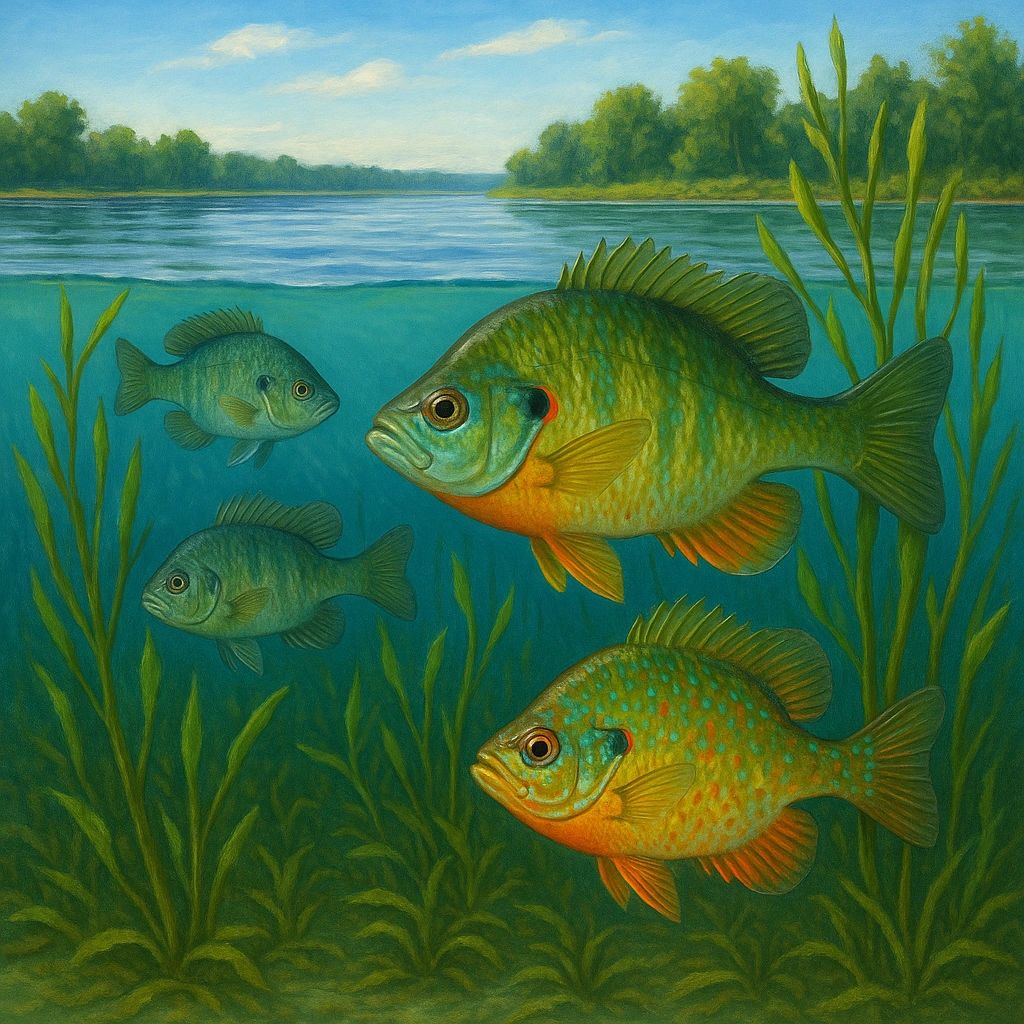
When you think about the Mississippi River, images of steamboats, catfish, and wide muddy waters might come to mind. But hidden beneath the surface swims a fascinating family of fish that often goes unnoticed: the sunfish. Brightly colored, diverse in shape, and essential to the river’s ecosystem, sunfish represent some of the most charming yet important creatures in North America’s freshwater systems.
In this blog, we’ll dive deep into the story of sunfish in the Mississippi River: their history, biology, cultural importance, threats, and why they matter so much today.
What Are Sunfish?
The word “sunfish” can be a little confusing, because it refers to two very different kinds of fish. Out in the ocean, the giant ocean sunfish (Mola mola) is the world’s heaviest bony fish. But in the Mississippi River and across North America, “sunfish” usually refers to members of the freshwater family Centrarchidae.
This family includes species that many anglers know and love, such as:
- Bluegill (Lepomis macrochirus)
- Largemouth bass (Micropterus salmoides)
- Smallmouth bass (Micropterus dolomieu)
- Pumpkinseed (Lepomis gibbosus)
- Green sunfish (Lepomis cyanellus)
- Warmouth (Lepomis gulosus)
These freshwater sunfish are smaller than their ocean relatives, but they are just as fascinating. Many of them have bright scales with greens, yellows, and orange markings that shimmer in the sunlight—hence the name “sunfish.”
A Home in the Mississippi
The Mississippi River is North America’s second-longest river, stretching more than 2,300 miles from Minnesota to the Gulf of Mexico. It passes through 10 states and is home to more than 260 species of fish, making it one of the most diverse freshwater systems in the world (Peterson et al., 2011).
Sunfish thrive here because they love slow-moving waters, backwaters, and oxbow lakes that branch off the main river. These areas are rich in aquatic plants, insects, and small invertebrates—perfect habitats for sunfish to feed, breed, and hide from predators.
Bluegill and largemouth bass, in particular, are found in great numbers along the Mississippi. These fish are adaptable, able to live in both clear lakes and murky rivers, which makes the Mississippi River an ideal home.
Life Cycle of Sunfish
One of the most fascinating things about sunfish is how they reproduce. During the spring and summer, male sunfish build nests in shallow water by sweeping away mud and debris with their tails. Once the nest is ready, the male courts females by circling and displaying his bright colors. After a female lays eggs in the nest, the male fertilizes them and then guards the nest fiercely.
This parental care is rare among fish. Many species simply scatter their eggs and leave, but sunfish males stay to protect the eggs and fry (baby fish) from predators like catfish, turtles, and other sunfish (Gross, 1982).
Bluegill males are especially well-known for their dedication. They fan the eggs with their fins to keep them oxygenated and chase away intruders—even fish much larger than themselves.
What Do Sunfish Eat?
Sunfish are opportunistic feeders, meaning they eat a wide variety of foods depending on what’s available. Their diet often includes:
- Aquatic insects (dragonfly nymphs, mayflies, caddisflies)
- Zooplankton
- Small crustaceans
- Snails
- Smaller fish
- Even algae and plant material
Young sunfish start by eating plankton, but as they grow, they shift to larger prey. This flexible diet helps them survive in changing river conditions and makes them an important link in the food web.
Sunfish and the Food Web
Sunfish may not be the biggest creatures in the Mississippi, but they are vital for keeping the ecosystem in balance. They serve several roles:
- Prey for larger animals – Catfish, northern pike, walleye, herons, and even bald eagles eat sunfish.
- Predators of small creatures – By feeding on insects and crustaceans, sunfish help control populations that could otherwise grow unchecked.
- Nutrient cyclers – Their feeding and waste help recycle nutrients through the water, benefiting aquatic plants.
Without sunfish, the Mississippi River would lose a key piece of its ecological puzzle.
Sunfish and People
For centuries, sunfish have been part of human culture along the Mississippi. Indigenous peoples fished them for food, using traditional nets and traps. Sunfish were an important protein source, especially in summer when they were easy to catch in shallow waters.
Today, sunfish are among the most popular sport fish in North America. Bluegill, pumpkinseed, and bass are prized for their fight on the line and their tasty, flaky meat. Anglers of all ages enjoy catching sunfish, often as a child’s first introduction to fishing.
Sunfish also support local economies. The recreational fishing industry in the Mississippi River Basin generates billions of dollars each year (US Fish and Wildlife Service, 2016). Festivals, bait shops, and guided tours all benefit from the popularity of these fish.
Different Sunfish in the Mississippi
Let’s take a closer look at some of the most common sunfish species you’ll find in the Mississippi River.
Bluegill (Lepomis macrochirus)
Probably the best-known sunfish, bluegill have a dark spot at the base of their dorsal fin and a bluish tint on their gill covers. They grow to about 6–10 inches and are easy to catch with simple bait.
Green Sunfish (Lepomis cyanellus)
These feisty fish have a larger mouth than most sunfish and a greenish-blue body with orange edges on their fins. They tolerate murky waters better than some of their cousins.
Pumpkinseed (Lepomis gibbosus)
Named for their orange and yellow colors, pumpkinseeds are among the most beautiful freshwater fish. They have a distinctive red spot on the edge of their gill cover.
Largemouth Bass (Micropterus salmoides)
Though technically part of the sunfish family, largemouth bass are known as one of the top game fish in America. They can grow up to 20 pounds and are aggressive predators.
Smallmouth Bass (Micropterus dolomieu)
These bass prefer clearer, cooler waters than largemouth. Anglers love them for their strong fight.
Warmouth (Lepomis gulosus)
Sometimes called “goggle-eye,” warmouths have a big mouth and red eyes. They thrive in muddy backwaters and can be tough survivors in harsh conditions.
Adaptations for Survival
Sunfish aren’t just pretty—they’re survivors. Over millions of years, they’ve developed traits that make them well-suited to life in rivers like the Mississippi.
- Coloration: Their bright colors can attract mates but also provide camouflage in weedy waters.
- Mouth size: Different species have different mouth sizes, allowing them to specialize in certain foods and reduce competition.
- Aggressive defense: Nest-guarding males help ensure high survival rates for eggs.
- Tolerance: Many sunfish can handle low oxygen levels, muddy waters, and wide temperature swings.
These traits explain why sunfish are found across North America, from Canada to Mexico.
Threats Facing Sunfish
Despite their adaptability, sunfish in the Mississippi face several threats.
Habitat Loss
Dams, levees, and channelization have altered the natural flow of the Mississippi. Backwaters and floodplains, where sunfish thrive, have been reduced or cut off.
Pollution
Agricultural runoff, industrial waste, and urban pollution all flow into the river. Excess nutrients can cause algal blooms, while toxins can harm fish health and reproduction (Rabalais et al., 2002).
Invasive Species
Non-native fish such as common carp and Asian carp compete with sunfish for food and space. Invasive plants can also choke out native habitats.
Climate Change
Warmer water temperatures and shifting flood cycles can disrupt spawning and feeding patterns for sunfish (Ficke et al., 2007).
Conservation Efforts
The good news is that many groups are working to protect sunfish and the Mississippi River.
- Habitat restoration projects reconnect side channels and floodplains, giving sunfish more breeding and feeding grounds.
- Water quality monitoring helps identify pollution hotspots and reduce nutrient runoff.
- Fishing regulations like size and bag limits ensure that sunfish populations remain healthy for future generations.
- Invasive species control is ongoing, though challenging, especially with carp.
Community involvement is also key. Citizen scientists, anglers, and local schools all contribute to monitoring and conservation efforts.
Sunfish in Culture and Folklore
Beyond science, sunfish hold a place in American culture. Many childhood fishing stories begin with catching a bluegill or pumpkinseed. These fish symbolize patience, relaxation, and a connection to nature.
In art and literature, sunfish often represent the joy of simple living. They remind us that even in a vast river like the Mississippi, small things can bring great beauty.
Why Sunfish Matter
So why should we care about sunfish in the Mississippi River?
- Biodiversity: Sunfish add to the incredible diversity of life in the river.
- Ecosystem role: They are both predator and prey, keeping the food web balanced.
- Economic value: Recreational fishing brings billions to local communities.
- Cultural importance: Sunfish are part of American identity, tied to family traditions and outdoor life.
Protecting sunfish means protecting the Mississippi River itself.
Looking Ahead
The future of sunfish in the Mississippi will depend on how we manage the river. With continued conservation, habitat restoration, and awareness, these colorful fish can thrive for generations to come.
As anglers, families, and nature lovers, we have a role to play. By respecting fishing regulations, reducing pollution, and supporting conservation efforts, we ensure that the sunfish—those shimmering jewels of the river—remain part of America’s natural heritage.
Next time you walk along the banks of the Mississippi or cast a line into its waters, think about the sunfish swimming below. Small but mighty, they tell the story of survival, beauty, and balance in one of the world’s greatest rivers.
Bibliography
Ficke, A. D., Myrick, C. A., & Hansen, L. J. (2007). Potential impacts of global climate change on freshwater fisheries. Reviews in Fish Biology and Fisheries, 17(4), 581–613. https://doi.org/10.1007/s11160-007-9059-5
Gross, M. R. (1982). Sneakers, satellites and parentals: Polymorphic mating strategies in North American sunfishes. Zeitschrift für Tierpsychologie, 60(1), 1–26. https://doi.org/10.1111/j.1439-0310.1982.tb01068.x
Peterson, M. S., Slack, W. T., & Brown-Peterson, N. J. (2011). Habitat use by fishes in a river-dominated estuary: Spatial and temporal trends. Estuaries and Coasts, 34(1), 1–17. https://doi.org/10.1007/s12237-010-9296-5
Rabalais, N. N., Turner, R. E., & Scavia, D. (2002). Beyond science into policy: Gulf of Mexico hypoxia and the Mississippi River. BioScience, 52(2), 129–142. https://doi.org/10.1641/0006-3568(2002)052[0129:BSIPGO]2.0.CO;2
U.S. Fish and Wildlife Service. (2016). National survey of fishing, hunting, and wildlife-associated recreation. U.S. Department of the Interior.
Originally published at the live site .