
Stories ·
What Are Some Interesting Facts About Manatees in Florida?
Manatees are one of Florida’s most loved animals. These gentle giants drift lazily through warm waters, munch on plants, and charm anyone lucky enough to see them. Also called “sea cows,” manatees are slow-moving, peacef...
By Rebecca "Madam Chronicler" Ryan
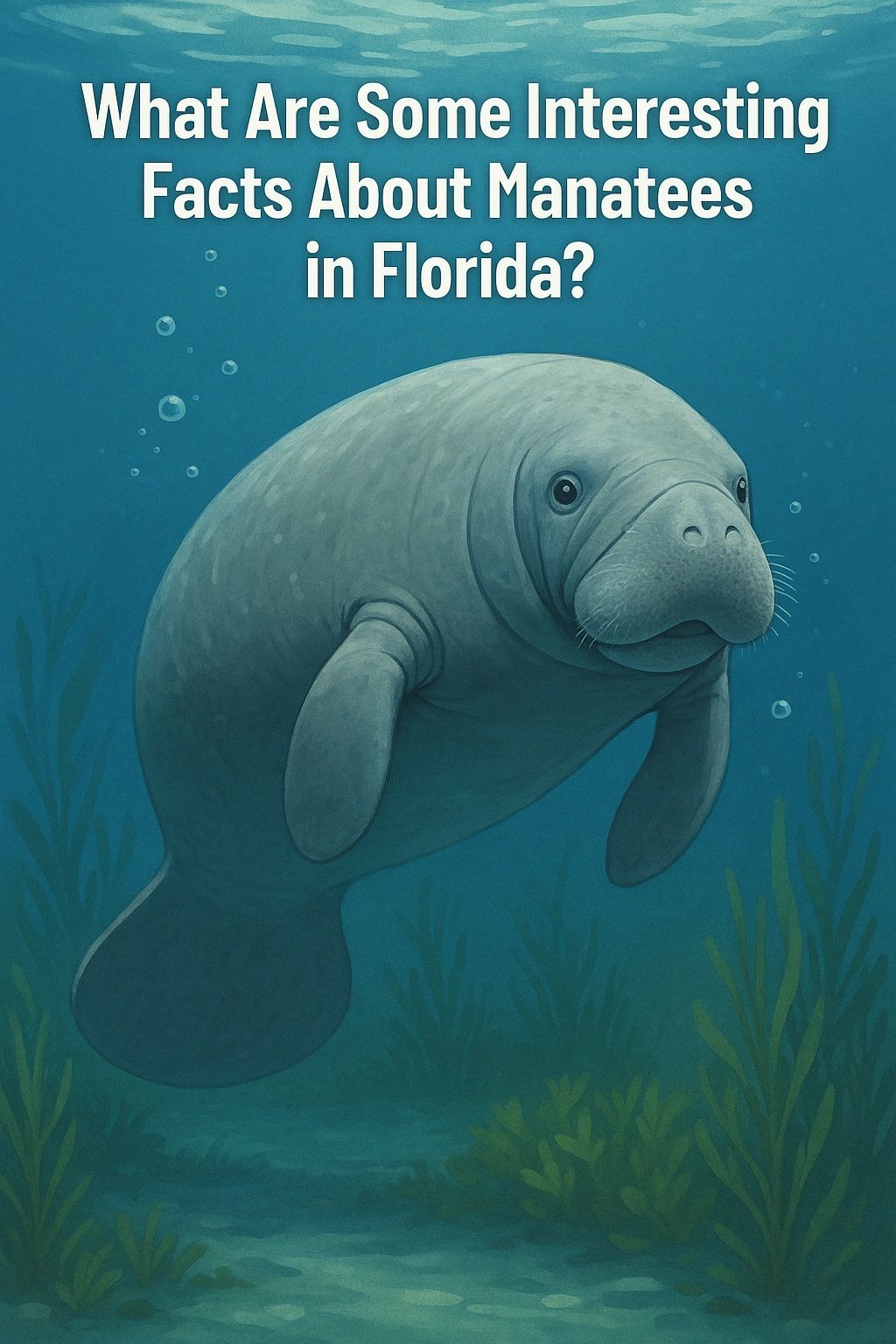
Manatees are one of Florida’s most loved animals. These gentle giants drift lazily through warm waters, munch on plants, and charm anyone lucky enough to see them. Also called “sea cows,” manatees are slow-moving, peaceful, and a little mysterious. But did you know there’s way more to them than just floating around?
In this blog, we’re diving into the wild and wonderful world of Florida manatees. From how they breathe to how they sleep, from their ancient history to their future, here are some of the most fascinating facts about these amazing creatures.
1. Florida Is a Manatee Hotspot
Manatees love Florida. That’s because Florida offers warm waters, lots of aquatic plants, and springs where they can stay safe in winter. The species that lives here is called the West Indian manatee, and the Florida population is a special subspecies.
Each winter, manatees gather in places like Crystal River, Blue Spring State Park, and even near power plants that release warm water. If you’ve ever visited a manatee-viewing center in winter, you know how packed it can get!
According to the Florida Fish and Wildlife Conservation Commission (FWC), thousands of manatees now live in Florida’s rivers, estuaries, and coastal waters. That’s a big win, considering their numbers were once dangerously low.
2. Manatees Are Mammals, Not Fish
Even though they live in the water, manatees are mammals, just like whales and dolphins. This means they:
- Breathe air
- Give birth to live babies
- Nurse their young with milk
- Have body hair
Yes, you read that right. Manatees have tiny whiskers and sparse hair all over their bodies. It helps them sense the world around them — like underwater antennas.
3. Manatees Are Related to Elephants
Believe it or not, manatees are close cousins of elephants. They both come from an ancient group of land animals that moved into the water millions of years ago.
Here are some things they share:
- Thick, wrinkled skin
- Nails on their flippers (kind of like toenails!)
- Long lifespans
- Slow reproductive rates
This family history goes way back — around 50 million years! And even though they look nothing alike today, their bones and teeth show they come from the same family tree.
4. They Can Weigh Over 1,000 Pounds
Manatees are massive. A full-grown Florida manatee can grow up to 13 feet long and weigh as much as 1,300 pounds. That’s heavier than a grand piano!
Even though they’re so big, manatees don’t have blubber like whales. Instead, they have a thin layer of fat. That’s why they need to stay in warm water. If the water drops below 68°F (20°C), manatees can get cold-stress syndrome, which is dangerous and sometimes deadly.
5. Manatees Are Herbivores — and Big Eaters
Manatees are strict plant-eaters. They graze for up to 8 hours a day, eating about 10–15% of their body weight in sea grasses, algae, and aquatic plants.
That means a 1,000-pound manatee can eat 100–150 pounds of greens every day!
Their lips are super strong and flexible, with bristle-like whiskers that help them grab plants. And they chew with flat, grinding teeth that keep getting replaced — a system scientists call “marching molars.” New teeth grow in the back and slowly push older ones forward.
6. Manatees Breathe Through Their Nostrils
Even though they live underwater, manatees can’t breathe through gills like fish. They have lungs and must surface for air every 3 to 5 minutes when active. But when resting, they can hold their breath for up to 20 minutes!
Their nostrils are on top of their snouts, and they have valves that seal shut when they dive, keeping water out. When they come up to breathe, they often make a little puffing sound — a gentle snort you might hear before you even see them.
7. They Sleep Underwater (Sort Of)
Manatees sleep in short naps throughout the day and night. But how do they sleep if they need air?
They go into a semi-conscious state, kind of like dolphins and whales. One half of their brain stays active just enough to swim up for air every few minutes. So they’re never completely unconscious.
Manatees often rest near the bottom, floating gently up and down as they doze.
8. Manatees Are Super Gentle
There’s a reason people call manatees “gentle giants.” They don’t have any natural predators (except humans), and they’re known for their calm, peaceful nature.
Manatees don’t have sharp teeth or claws. They don’t chase or attack. They’re just big, slow swimmers who like to float around and eat plants.
Scientists say manatees have curious and playful personalities. They sometimes nuzzle each other, follow divers, or roll around in the water just for fun.
9. They Communicate With Sounds
Manatees don’t bark or sing like dolphins or whales, but they do make sounds. Mostly, they use chirps, squeaks, and whistles — especially moms and babies.
Their calls help them stay in touch, especially in murky water. Young manatees rely on their mothers’ calls to stay close, and mothers use sounds to guide, comfort, or warn their calves.
Scientists still don’t know all the meanings behind manatee sounds, but they’re definitely more chatty than most people realize.
10. Manatee Moms Are Great Parents
Manatee babies are called calves, and they stay with their mothers for up to two years. That’s a long time in the wild!
Mothers teach their calves:
- Where to find food
- How to avoid danger
- How to breathe, rest, and travel
During this time, calves nurse from their mothers and stick close by her side. Manatees only give birth about once every 2–5 years, which makes every calf super important for keeping the population healthy.
11. Manatees Are Protected — But Still at Risk
Florida manatees were once on the endangered species list. Thanks to protection laws and rescue programs, their numbers have gone up. In 2017, they were reclassified as “threatened.”
But they’re not out of danger.
Here are the top threats manatees face:
- Boat strikes: Manatees are slow and often swim near the surface. Propellers can injure or kill them.
- Cold stress: Winter cold spells can kill manatees if they can’t find warm water.
- Habitat loss: Pollution, development, and algae blooms can destroy the sea grass they rely on.
- Red tide: These toxic algae blooms can poison manatees and lead to mass die-offs.
In 2021 and 2022, Florida saw record numbers of manatee deaths — many due to starvation, as seagrass beds vanished from pollution and algal blooms.
12. Manatees Have Been Around for Millions of Years
Manatees are ancient animals. Fossils show they’ve been floating around for at least 60 million years. Some scientists believe they’re the source of mermaid myths! Early sailors may have mistaken manatees for mysterious sea maidens.
The word “manatee” comes from a Carib word meaning “breast” or “udder” — maybe because of their mammal status and the way they nurse their young.
13. Manatee Rescue Programs Are Making a Difference
Groups like Save the Manatee Club, the FWC, and SeaWorld Rescue are helping manatees in big ways. They rescue sick or injured animals, help restore seagrass beds, and educate the public about how to protect them.
They also track manatee health using satellite tags and special marks like scars. In fact, scientists use scar patterns from boat strikes to identify individual manatees — like a fingerprint.
And yes, many manatees are named! Some famous ones include Chessie, a manatee who traveled all the way to Maryland, and Admiral, who was rescued and released several times.
14. You Can See Manatees in the Wild — If You’re Careful
Florida is one of the only places in the world where you can swim with manatees — but it’s heavily regulated. The best place is Crystal River, especially in winter.
If you do go:
- Never chase, poke, or touch a manatee
- Float calmly and let them come to you
- Follow all local rules and guides
- Wear snorkels, not scuba gear (bubbles scare them)
You can also watch from land at spots like:
- Blue Spring State Park
- Tampa Electric Manatee Viewing Center
- Homosassa Springs Wildlife State Park
15. You Can Help Manatees Every Day
Want to make a difference? Here’s how:
- Follow no-wake zones when boating
- Report injured or dead manatees to the FWC
- Avoid throwing trash into the water
- Use eco-friendly fertilizer to prevent runoff
- Support seagrass restoration programs
- Adopt a manatee through Save the Manatee Club
Even small actions can add up to big protection for these lovable sea cows.
Final Thoughts
Florida’s manatees are more than just cute — they’re ancient, gentle, smart, and super important to the ecosystem. From their elephant ancestors to their underwater naps, there’s so much to admire about them.
By learning about manatees and sharing their story, we can help make sure future generations will also get to enjoy watching them glide through our rivers and springs. These sea cows may be slow, but they deserve fast action to keep them safe.
So next time you’re near the water, keep an eye out. You might just spot a whiskered nose popping up for a breath — and that peaceful puff might be the most magical sound in Florida.
Bibliography
- Florida Fish and Wildlife Conservation Commission. (2024). Manatee Facts and Information. Retrieved from https://myfwc.com/research/manatee/
- Save the Manatee Club. (2024). Manatee Basics. Retrieved from https://www.savethemanatee.org/
- U.S. Fish and Wildlife Service. (2023). West Indian Manatee (Trichechus manatus). Retrieved from https://www.fws.gov/species/west-indian-manatee-trichechus-manatus
- Smithsonian National Museum of Natural History. (2023). Sirenia: The Sea Cows. Retrieved from https://naturalhistory.si.edu
- National Oceanic and Atmospheric Administration (NOAA). (2024). Manatees and Dugongs. Retrieved from https://oceanservice.noaa.gov/education/tutorial_corals/coral06_zooxanthellae.html
- SeaWorld Parks & Entertainment. (2024). Manatee Rescue and Rehabilitation Program. Retrieved from https://seaworld.org/animal-info/animal-rescue/manatee-rescue/
Originally published at the live site .