
Maritime ·
What Are the Top Apex Sharks?
Sharks have been swimming in the oceans for over 400 million years. That’s way before the dinosaurs even showed up! These incredible creatures have survived mass extinctions, adapted to changing oceans, and earned a repu...
By Rebecca "Madam Chronicler" Ryan
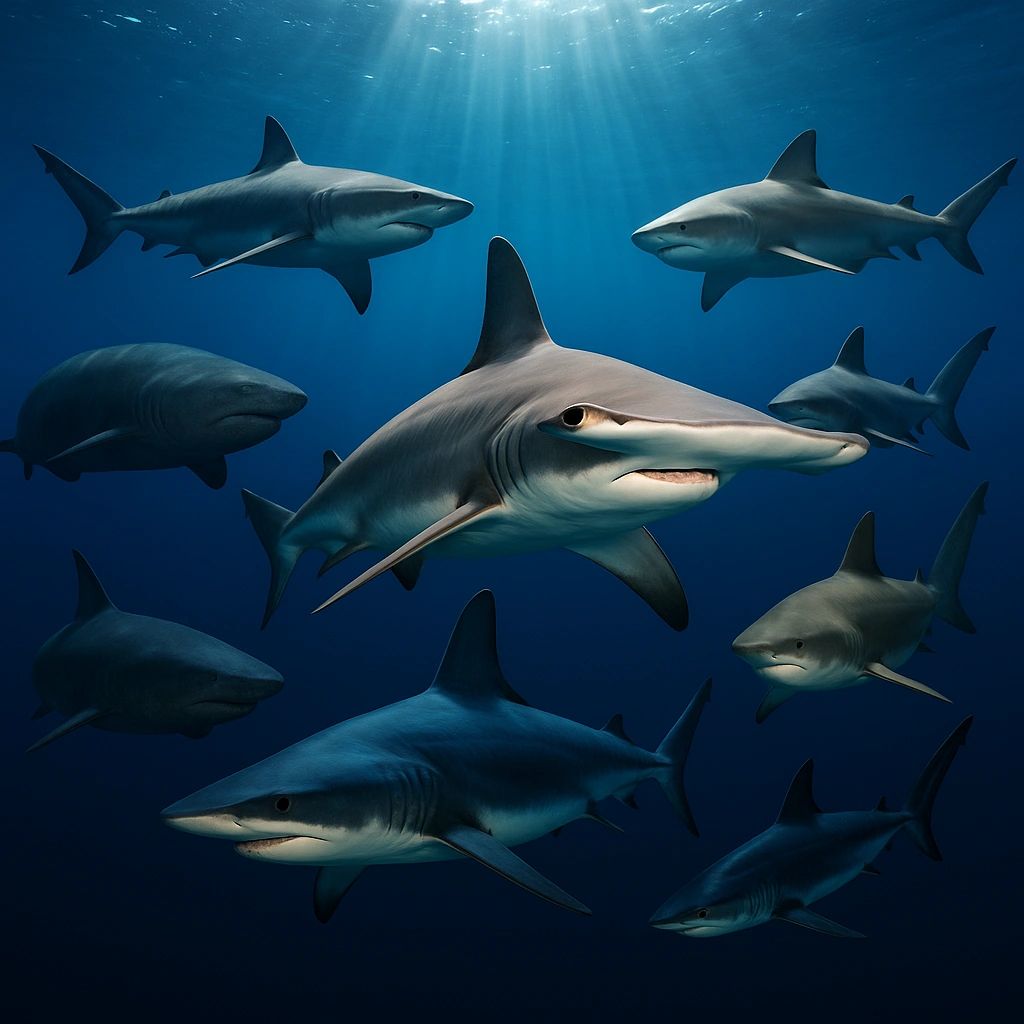
Sharks have been swimming in the oceans for over 400 million years. That’s way before the dinosaurs even showed up! These incredible creatures have survived mass extinctions, adapted to changing oceans, and earned a reputation as the top dogs—or rather, top predators—of the sea.
But not all sharks are created equal. Some are faster, smarter, or more powerful than others. A few have even earned the title of apex predator—the top of the food chain, with no natural predators of their own.
In this blog, we’ll take a deep dive (pun totally intended!) into the top apex sharks ruling today’s oceans. We’ll explore what makes each one so fierce, where they live, what they eat, and why they’re so important to ocean health.
So grab your snorkel (or just your curiosity), and let’s meet the top apex sharks on Earth!
🦈 What Is an Apex Shark?
Before we start naming names, let’s clear up what “apex predator” means. An apex predator is an animal that:
- Sits at the top of its food chain
- Has no natural predators (except maybe humans)
- Plays a big role in keeping the ecosystem balance
These predators control the population of prey animals. That keeps things from getting out of control—like too many fish eating too many algae grazers, or prey species outcompeting others.
Apex sharks often eat fish, seals, dolphins, and sometimes even other sharks. And while they sound scary, most are not interested in humans at all!
1. 🦈 The Great White Shark (Carcharodon carcharias)
AKA: The king of apex sharks
When people hear “shark,” the great white is often the first one that comes to mind. Thanks to movies like Jaws, this shark has a reputation as a ruthless killer. But the truth is a lot more fascinating!
🧬 Key Facts:
- Length: Up to 20 feet (6 meters)
- Weight: Up to 5,000 pounds (2,268 kg)
- Diet: Seals, sea lions, fish, smaller whales, dolphins
- Habitat: Coastal waters around the world—especially South Africa, California, Australia
🧠 Why It’s Apex:
Great whites have razor-sharp teeth, incredible speed, and a powerful sense of smell. They can even sense electrical signals from prey, like heartbeats! Once they lock in, they burst up from below in an attack called the “ambush strike.”
Plus, nothing really hunts a healthy adult great white. That makes them a top predator through and through.
2. 🦈 Tiger Shark (Galeocerdo cuvier)
AKA: The trash can of the sea
The tiger shark is the second most dangerous shark to humans after the great white. But it doesn’t target people—it just eats everything. Seriously.
🧬 Key Facts:
- Length: 10–14 feet (3–4.3 meters)
- Weight: Up to 1,400 pounds (635 kg)
- Diet: Fish, turtles, birds, dolphins, trash, other sharks
- Habitat: Tropical and subtropical waters, especially Hawaii and the Pacific Islands
🧠 Why It’s Apex:
Tiger sharks have jaws strong enough to crush sea turtle shells. They have incredible night vision and love to hunt at dusk and night. Plus, they’re curious eaters, often swallowing license plates, cans, and other debris. (Don’t try this at home!)
And like other apex sharks, adult tiger sharks have no natural predators—except, sadly, humans.
3. 🦈 Bull Shark (Carcharhinus leucas)
AKA: The river shark
Here’s a shark that isn’t just a top predator—it’s also a traveler. The bull shark can swim in both saltwater and freshwater, which is super rare for sharks.
🧬 Key Facts:
- Length: 7–11 feet (2–3.5 meters)
- Weight: Up to 500 pounds (227 kg)
- Diet: Fish, rays, dolphins, other sharks, even land animals that fall into rivers
- Habitat: Coastal areas, rivers, lakes—often found in places like the Amazon, Mississippi River, and even Lake Nicaragua
🧠 Why It’s Apex:
Bull sharks are aggressive, bold, and tough. They can go where few other sharks can, giving them access to a wider hunting range. That makes them a surprise predator in places where people aren’t expecting sharks at all.
They’ve even been found thousands of miles upstream in freshwater rivers. Talk about taking over the food chain!
4. 🦈 Hammerhead Shark (Sphyrnidae family)
AKA: The weird one with the flat head
Hammerheads look kind of silly with their wide, flat heads—but don’t let the look fool you. That head shape actually gives them super vision and sensory powers.
🧬 Key Facts:
- Length: 13–20 feet (4–6 meters) for the great hammerhead
- Weight: Up to 1,000 pounds (454 kg)
- Diet: Stingrays, fish, squid, smaller sharks
- Habitat: Warm oceans around the world, especially coral reefs and coastal waters
🧠 Why It’s Apex:
That hammer-shaped head, called a cephalofoil, lets hammerheads detect electrical signals from hidden prey like stingrays buried in the sand. They can also scan wide areas and make fast, sharp turns.
They often hunt in packs, which is super rare for sharks. Teamwork makes them even more dangerous—and gives them the edge as apex predators.
5. 🦈 Shortfin Mako Shark (Isurus oxyrinchus)
AKA: The cheetah of the ocean
Looking for speed? The shortfin mako is the fastest shark in the ocean, reaching up to 45 mph (72 km/h). That’s faster than some speedboats!
🧬 Key Facts:
- Length: 10–13 feet (3–4 meters)
- Weight: Up to 1,200 pounds (544 kg)
- Diet: Tuna, swordfish, squid, other sharks
- Habitat: Deep offshore waters around the world
🧠 Why It’s Apex:
Makos are lightning-fast, extremely smart, and powerful. They can leap 20 feet out of the water and are known for their agility. Unlike most sharks, they regulate their body temperature, giving them an energy edge when hunting in cold water.
They may be sleek, but they’re deadly—and sit comfortably at the top of the food web.
6. 🦈 Greenland Shark (Somniosus microcephalus)
AKA: The zombie shark
This slow-moving, deep-sea giant may not look scary, but it’s a living fossil and an apex predator of the cold Arctic waters.
🧬 Key Facts:
- Length: Up to 21 feet (6.4 meters)
- Weight: Over 2,200 pounds (1,000 kg)
- Diet: Fish, seals, squid, carrion (including dead polar bears)
- Habitat: Arctic and North Atlantic deep ocean
🧠 Why It’s Apex:
Greenland sharks are slow but sneaky. They rely on stealth to snag sleeping seals or scavenge large animals that have sunk to the ocean floor.
They also hold the record for longest-living vertebrate, with lifespans reaching 400 years! That’s longer than any mammal, bird, or reptile. You don’t live that long without being a survival master.
7. 🦈 Oceanic Whitetip Shark (Carcharhinus longimanus)
AKA: The open-water stalker
This shark dominates the open ocean, far from land, where it hunts and scavenges for food. It’s bold, curious, and sometimes aggressive.
🧬 Key Facts:
- Length: 10–13 feet (3–4 meters)
- Weight: Up to 370 pounds (168 kg)
- Diet: Fish, squid, seabirds, carrion, dolphins
- Habitat: Tropical and subtropical open ocean
🧠 Why It’s Apex:
Oceanic whitetips patrol areas with little competition, giving them free reign over whatever they can find. They follow ships, floating debris, or injured animals and aren’t shy about investigating humans.
They were once the most common shark in the open ocean but are now critically endangered due to overfishing.
🌊 Why Apex Sharks Matter
You might be wondering: “Why do we need apex sharks? Aren’t they dangerous?”
Actually, apex sharks are essential to ocean health. Here’s why:
1. They Control Populations
Apex sharks keep prey species like fish, seals, and rays in check. This keeps those animals from overgrazing or overwhelming ecosystems.
2. They Remove the Weak and Sick
Sharks often go after the slowest or sickest animals. That helps keep prey populations strong and healthy.
3. They Keep Food Webs Balanced
Without apex predators, things can fall apart. One change at the top can ripple down through the food chain and damage coral reefs, kelp forests, and fisheries.
In short: healthy shark populations = healthy oceans.
🛑 Threats to Apex Sharks
Despite their top-of-the-chain status, sharks face serious threats. Humans are now the biggest danger to apex sharks. Here’s how:
- Overfishing: Many sharks are caught for their fins, meat, or by accident (called “bycatch”).
- Habitat Loss: Pollution and coastal development destroy important shark breeding and feeding areas.
- Climate Change: Warmer waters can change shark behavior and prey availability.
- Shark Finning: This cruel practice removes fins from live sharks, who are then dumped back into the ocean to die.
According to the IUCN, more than 30% of shark species are now threatened with extinction.
✅ How You Can Help Sharks
Good news: you don’t have to be a marine biologist to help save sharks. Here are some easy ways to make a difference:
- Choose sustainable seafood—check labels or use apps like Seafood Watch.
- Avoid shark products—this includes shark fin soup, shark cartilage pills, and cosmetics with squalene.
- Support shark conservation groups—like Shark Trust, WildAid, and Oceana.
- Speak up!—Share what you’ve learned, educate others, and push for stronger protections.
🧠 Final Thoughts
Apex sharks are some of the most powerful, fascinating, and misunderstood animals on Earth. From the mighty great white to the deep-diving Greenland shark, these predators have earned their place at the top.
They’re not just fearsome—they’re vital. Protecting apex sharks means protecting the oceans they rule, and the planet we all share.
So the next time you hear the word “shark,” don’t think “monster”—think “marine marvel.” 🦈🌊💙
📚 Bibliography
- Carrier, J. C., Musick, J. A., & Heithaus, M. R. (2012). Biology of Sharks and Their Relatives. CRC Press.
- Dulvy, N. K., et al. (2021). Overfishing drives over one-third of all sharks and rays toward a global extinction crisis. Current Biology, 31(21), 4773-4787.
- Ebert, D. A., Fowler, S., & Compagno, L. J. V. (2013). Sharks of the World: A Fully Illustrated Guide. Wild Nature Press.
- Heithaus, M. R., et al. (2008). Predicting ecological consequences of marine top predator declines. Trends in Ecology & Evolution, 23(4), 202-210.
- IUCN Red List of Threatened Species. (2024). Sharks and rays. Retrieved from https://www.iucnredlist.org
- National Oceanic and Atmospheric Administration (NOAA). (2023). Shark facts and conservation. https://www.fisheries.noaa.gov/topic/sharks
- Smithsonian Ocean. (2024). Meet the sharks. https://ocean.si.edu/ocean-life/sharks-rays
Originally published at the live site .