
Rivers ·
Why Are More Sharks Swimming Inland into Rivers—and What You Need
Most people think of sharks as ocean animals. We imagine them gliding through saltwater, hunting fish along coral reefs or cruising past beachgoers near the shore. But in recent years, something unusual has been happenin...
By Rebecca "Madam Chronicler" Ryan
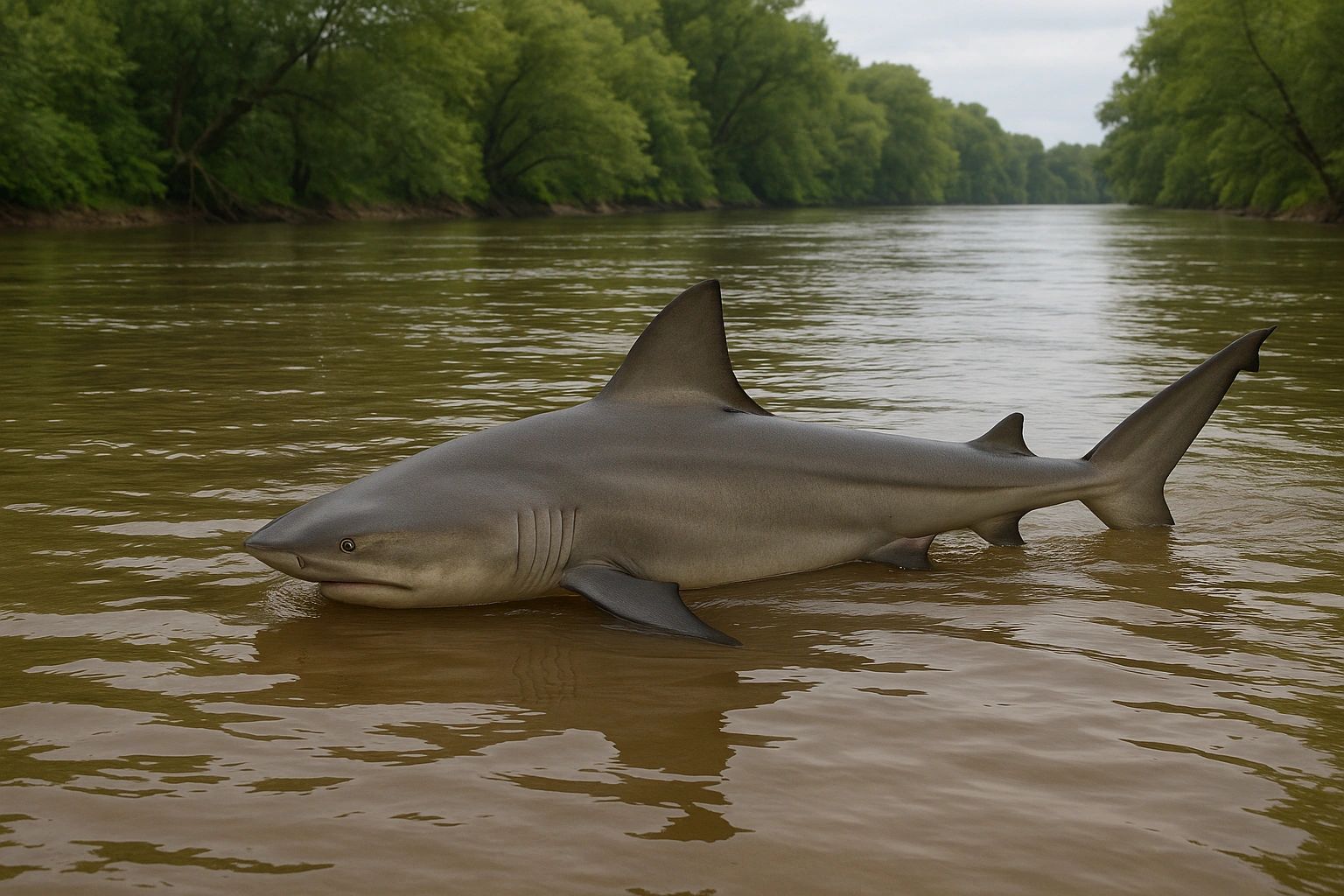
Most people think of sharks as ocean animals. We imagine them gliding through saltwater, hunting fish along coral reefs or cruising past beachgoers near the shore. But in recent years, something unusual has been happening—more sharks are swimming inland into rivers. Yes, rivers—the kind of freshwater places where you’d expect to see catfish or bass, not big-toothed predators.
So why is this happening? What kinds of sharks are moving inland? Should you be worried if you’re fishing, swimming, or boating in a river? This blog will answer all those questions and more in a way that’s easy to understand. Let’s dive in!
Sharks in Rivers? That’s Not New!
Before we jump into why more sharks are heading into rivers today, it’s important to know that some species of sharks have always been able to live in freshwater. The best-known of these is the bull shark (Carcharhinus leucas).
Meet the Bull Shark
Bull sharks are one of the few sharks that can survive in both saltwater and freshwater. They have special kidneys and glands that help their bodies adjust to changes in salinity. This means they can move from the ocean into rivers without getting sick.
Bull sharks have been found in rivers all over the world, including:
- The Mississippi River in the U.S.
- The Amazon River in South America
- The Zambezi River in Africa
- The Brisbane River in Australia
So, when we see headlines saying “Sharks Found in Rivers!”, it’s not always something new—but it is something we’re seeing more often.
Why Are More Sharks Swimming Inland Now?
Now let’s get to the big question: Why is this happening more now than before?
Scientists believe there are several main reasons why more sharks are heading into rivers and estuaries (where rivers meet the sea). Let’s break them down.
1. Climate Change and Warming Oceans
As ocean water gets warmer due to climate change, some sharks are moving into new areas to find better temperatures. River mouths and estuaries can offer cooler water during heat waves. In fact, a 2022 study found that bull sharks are expanding their range farther north than ever before because of warming waters (Drymon et al., 2022).
This means rivers that never had bull sharks before may start to see them show up.
2. Chasing Food
Sharks go where the food is. And many fish that live in rivers or estuaries—like mullet, bass, or baitfish—are tasty meals for a shark. If there are large schools of fish swimming up rivers, sharks will follow them.
Sometimes, this happens during fish spawning runs, when fish travel inland to lay eggs. That’s basically an all-you-can-eat buffet for a hungry shark!
3. Shelter for Pups
Bull sharks give birth to live young, called pups, and the babies are vulnerable to predators, even other sharks. Shallow rivers and estuaries can provide safe nurseries for shark pups to grow.
By swimming into rivers, mother bull sharks may be helping their babies avoid larger predators like tiger sharks or great whites.
4. Human Activity and Habitat Loss
As coastal habitats get destroyed by pollution, construction, and boat traffic, sharks may be pushed into new areas, including rivers. Dams, dredging, and urban sprawl have changed shorelines, and that can drive sharks to explore further inland than they normally would.
5. Better Technology = More Sightings
Today, scientists use tools like satellite tags, acoustic trackers, and drones to study sharks. People also have phones with cameras and love posting strange animal sightings on social media. So even if the sharks were always there, now we’re noticing them more.
What Kinds of Sharks Go into Rivers?
While bull sharks are the champions of freshwater swimming, they’re not the only sharks spotted near or inside rivers. Here’s a list of some sharks that may enter or be found close to river mouths:
Bull Shark (Freshwater Champion)
- Found in rivers around the world
- Aggressive and strong swimmers
- Can live in rivers for long periods
Ganges Shark (Rare and Endangered)
- Native to rivers in India
- Often confused with bull sharks
- Critically endangered due to pollution and overfishing
Speartooth Shark (Australia)
- Lives in tropical rivers in northern Australia
- Very rare and mysterious
River Sharks (Glyphis species)
- A group of poorly understood sharks that live in Indo-Pacific rivers
- Extremely rare and endangered
Young Hammerheads and Blacktip Sharks
- Juveniles are sometimes seen in estuaries
- May enter low-salinity water for feeding or safety
However, bull sharks are the only major shark species in North America known to swim deep into freshwater rivers on a regular basis.
Real-Life River Shark Sightings
Let’s take a look at a few true stories that show how real this phenomenon is.
Mississippi River, Illinois (1937)
A bull shark was caught by two fishermen 1,100 miles inland near Alton, Illinois. This is one of the farthest inland shark sightings in U.S. history!
Potomac River, Washington D.C.
Bull sharks have been tracked entering the Potomac River, even swimming close to the nation’s capital.
St. Lucie River, Florida
Several bull sharks, including juveniles, have been found in Florida rivers. Some researchers believe they’re using these rivers as nurseries.
Brisbane River, Australia
In 2005, there were reports of bull sharks seen swimming through flooded streets in Brisbane after a major storm. Some were even spotted near rooftops.
Are Sharks in Rivers Dangerous?
Sharks in rivers can sound scary, but the risk to people is still very low. Here’s what you should know:
Bull Sharks Are Aggressive—But Rarely Attack People
Bull sharks are responsible for some unprovoked attacks on humans, especially near beaches. But in rivers, the chances of a shark attack are extremely small. Most bull sharks avoid people.
Stay Smart in the Water
If you live near a river where bull sharks have been spotted, it’s smart to follow some safety tips:
- Don’t swim at dawn or dusk, when sharks are most active.
- Avoid swimming in murky water—sharks may mistake you for prey.
- Stay away from fishing areas, which attract sharks with bait.
- Don’t swim alone.
- Avoid splashing too much—this can attract sharks.
For the most part, if you respect their space, sharks will leave you alone.
What Scientists Are Doing About It
Marine biologists and researchers are hard at work trying to learn more about sharks in rivers. Here are some cool ways they’re studying these creatures:
Tagging and Tracking
Scientists attach special tags to sharks that send back data about:
- Where they go
- How deep they swim
- Water temperatures
- Time spent in freshwater
This helps researchers understand why and when sharks swim into rivers.
Mapping River Habitats
Experts are now working on maps of river systems to see where sharks go and what parts of the river they use. This helps protect nursery areas and reduce risks to both sharks and people.
Public Education
Scientists and wildlife groups are sharing information with communities about river sharks. Education helps people stay safe and also helps protect sharks from being feared or killed unnecessarily.
How Can You Help?
Even if you don’t live near a river or beach, you can help sharks in lots of ways!
1. Protect the Environment
Pollution and habitat loss hurt sharks. Pick up trash, recycle, and don’t pour chemicals down the drain.
2. Learn the Facts
Sharks are often misunderstood. By reading this blog, you’re already helping spread the truth about these awesome animals.
3. Support Shark Research
Look for groups like OCEARCH, NOAA, or local marine science centers. Many offer ways to “adopt a shark” or donate to research.
4. Respect Nature
If you ever see a shark in a river or at the beach, enjoy it from a distance. Don’t throw things, chase it, or try to catch it.
What the Future Holds
Sharks have been around for over 400 million years, way before the dinosaurs. They’re survivors—but they’re also now facing big challenges, including warming oceans, pollution, and overfishing.
As climate change continues, we may see even more sharks heading inland in the future. This will be a big change for many communities, but it doesn’t have to be scary.
The key is to learn, adapt, and protect. With science, respect, and smart planning, we can live alongside these powerful animals—even in the rivers!
Final Thoughts
So, why are more sharks swimming inland into rivers?
It’s a mix of things:
- Warming oceans from climate change
- Following food
- Finding safe places for their pups
- Loss of coastal habitats
- Better technology revealing what was always there
The shark most responsible for this inland movement is the bull shark, a tough and adaptable predator that can live in both saltwater and freshwater. While they can be aggressive, the risk to people is still very small. Most river shark sightings are peaceful—and incredibly cool to witness!
As long as we keep learning, stay safe, and protect the rivers and oceans, there’s room for both people and sharks to share the water.
Bibliography
- Carlson, J. K., & Heupel, M. R. (2016). Coastal habitat use and migration of juvenile bull sharks. Marine and Freshwater Research, 67(1), 52-66. https://doi.org/10.1071/MF14306
- Drymon, J. M., Powers, S. P., & Dindo, J. J. (2022). Bull shark habitat use in response to temperature change. Frontiers in Marine Science, 9, 821248. https://doi.org/10.3389/fmars.2022.821248
- Simpfendorfer, C. A., & Milward, N. E. (1993). Utilization of a tropical bay as a nursery area by sharks of the families Carcharhinidae and Sphyrnidae. Environmental Biology of Fishes, 37(4), 337–345.
- Heithaus, M. R., Wirsing, A. J., & Dill, L. M. (2008). Living in a risky world: behavioral responses of animals to threats. Ecology, 89(11), 2991–2997.
- National Oceanic and Atmospheric Administration (NOAA). (2023). Bull Sharks: Freshwater Predators. Retrieved from https://www.fisheries.noaa.gov
Originally published at the live site .