
Maritime ·
Why Shark Attacks Dropped 22% in 2024: A Deep Dive Into the Data
Something surprising happened in 2024—and no, it wasn’t just the latest viral dance on social media or another record-breaking summer heatwave. Shark attacks around the world dropped by a stunning 22%. For ocean lovers, ...
By Rebecca "Madam Chronicler" Ryan
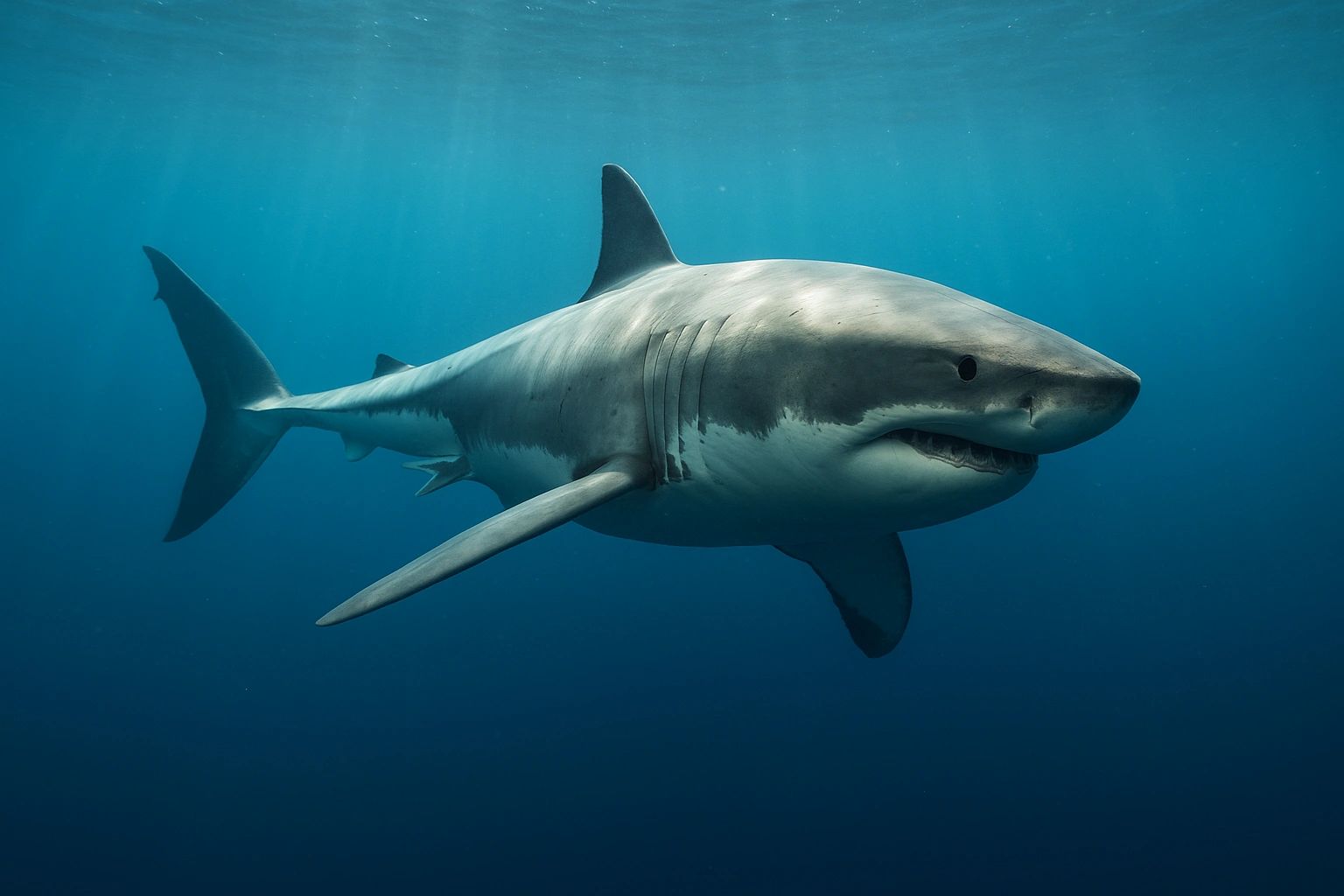
Something surprising happened in 2024—and no, it wasn’t just the latest viral dance on social media or another record-breaking summer heatwave. Shark attacks around the world dropped by a stunning 22%. For ocean lovers, beachgoers, surfers, and marine biologists, this sudden decline is both exciting and curious. What’s going on beneath the waves that led to fewer shark-human encounters?
This blog post will explore the key reasons scientists believe contributed to the drop in shark attacks. We’ll look at changes in shark behavior, human activity, technology, climate shifts, and global conservation efforts to understand this fascinating trend. By the end, you’ll not only know why shark attacks decreased—you’ll appreciate how nature and human choices are more connected than you might think.
The Numbers: What Does a 22% Drop Look Like?
According to the International Shark Attack File (ISAF), a global database maintained by the Florida Museum of Natural History, there were 69 unprovoked shark bites globally in 2024. That’s down from 88 incidents in 2023—a 22% decrease. Even more encouraging, fatal attacks also dropped, with only five reported worldwide compared to nine the year before (ISAF, 2025).
Most shark bites historically occur in places like the United States, Australia, and South Africa, where both sharks and ocean recreation are common. In 2024, Florida, which typically leads the U.S. in bites, saw a drop in incidents from 16 to just 9. That’s almost a 50% decrease for the Sunshine State alone.
So, what caused this sharp dip?
1. Cooler Ocean Temperatures Shifted Shark Movement
Ocean temperatures have a big influence on where sharks go. Many species, including bull sharks and blacktip sharks, follow warm currents to stay within their ideal temperature range. But in 2024, scientists recorded cooler-than-normal waters in several key coastal areas due to the La Niña effect.
La Niña is a natural climate pattern that cools parts of the Pacific Ocean and affects weather across the globe. Cooler water in nearshore areas discouraged sharks from swimming close to popular beaches, pushing them farther offshore or into deeper, less trafficked zones (Hammerschlag et al., 2021).
Fewer sharks in shallower waters meant fewer chances of accidental encounters with swimmers and surfers.
2. Shark Populations Are Under Stress
While shark attacks may sound scary, the reality is that sharks are far more threatened by humans than we are by them. Over 100 million sharks are killed every year due to fishing, finning, and bycatch (Ferretti et al., 2020). Many species are now listed as endangered or vulnerable.
As shark numbers decline in some areas, fewer individuals are around to come into contact with people. This is not necessarily a good thing—it’s a reminder that shark populations are in trouble. However, the drop in attacks may partly reflect the ongoing decrease in shark abundance, particularly in regions with heavy fishing pressure.
For example, South Africa reported just one unprovoked shark attack in 2024, a sharp drop from past years. The country has seen significant declines in white shark sightings due to overfishing of prey species and the rise of killer whales that hunt sharks (Engelbrecht et al., 2021).
3. Surfer Habits Are Changing
Surfers, swimmers, and snorkelers make up the majority of people involved in shark bites. But in 2024, more ocean users were aware of shark safety—and it showed.
Awareness campaigns, better surf forecasting, and mobile apps like Dorsal and SharkSmart helped people avoid high-risk areas. These apps alert users when sharks are nearby, based on sightings, tagged shark data, and lifeguard reports (Huveneers et al., 2022).
In addition, many surfers are choosing to go out during daylight hours and avoid dawn and dusk, when visibility is low and sharks are more active. By changing when and where people go in the water, the chances of running into a shark go way down.
4. Drone Patrols and Detection Technology Made a Difference
One of the biggest success stories in shark safety comes from the skies. In 2024, coastal patrols using drones became more common in countries like Australia and the United States. These high-flying helpers scan the water for sharks near crowded beaches and alert lifeguards if one is spotted.
Drones can cover large areas quickly and give real-time data to beach authorities. In some places, artificial intelligence (AI) now helps identify shark shapes from drone video feeds, improving detection speed and accuracy (Butcher et al., 2022).
Shark barrier nets, eco-friendly repellents, and acoustic warning systems have also grown in popularity. Together, these tools are giving humans an edge in avoiding sharks without harming them.
5. Less Human Activity in Some Waters
Even though 2024 was a relatively “normal” year compared to the pandemic-era lockdowns, some parts of the world still experienced reduced coastal activity. Political unrest, regional conflicts, and extreme weather events led to fewer tourists and swimmers in certain countries.
For instance, parts of the South Pacific and Southeast Asia saw significant drops in international tourism in early 2024 due to climate-related disruptions. Fewer people in the water means fewer opportunities for shark bites—plain and simple.
It’s a reminder that shark attacks are often a numbers game: more people in shark habitats equals more chances for accidental contact.
6. Better Understanding of Shark Behavior
Sharks are not mindless monsters. They’re curious, intelligent predators who often “test bite” unfamiliar things. Most bites are cases of mistaken identity, especially in murky water or high-surf conditions.
Marine scientists are now studying shark sensory systems more deeply than ever before. Research shows that certain colors, splash patterns, and even surfboard designs can either attract or deter sharks (Hart & Collin, 2015).
Some companies now sell wetsuits with zebra-like stripes or surfboards with anti-shark patterns designed to confuse a shark’s vision. While these are still being tested, the growing awareness of shark behavior and biology is helping reduce risky human-shark interactions.
7. Conservation Efforts Are Paying Off
Believe it or not, protecting sharks might actually help lower attack numbers over time. That’s because healthy marine ecosystems lead to more natural prey, which means sharks don’t have to come close to shore looking for food.
In places like Florida, the Bahamas, and parts of Australia, marine protected areas (MPAs) have helped shark populations thrive without needing to stray into human-heavy waters (Ward-Paige et al., 2010).
Tagging programs are also helping scientists track shark movements and better understand their routes and habits. The more we know, the better we can avoid bumping into each other.
8. Education, Not Fear, Is Winning
Perhaps the most heartening reason for the drop in shark attacks is simple: people are learning more about sharks and changing their behavior. Public education campaigns have shifted the narrative away from fear and toward respect.
Instead of portraying sharks as villains (think “Jaws”), many documentaries, social media influencers, and even brands now show sharks as vital parts of the ocean ecosystem.
This cultural change means more people are taking steps to reduce risks—like avoiding swimming near fishing activity, not wearing shiny jewelry in the water, and staying in groups when snorkeling. These common-sense tips really do work.
Shark Attacks vs. Shark Encounters
It’s important to remember that not every shark interaction leads to a bite. In fact, the majority of the time, sharks swim by without any issue. Many divers, snorkelers, and swimmers share the water with sharks safely all over the world.
Scientists are starting to use the term “shark encounter” rather than “attack” unless it’s a truly aggressive event. This shift helps reduce fear and promotes a more balanced understanding of shark behavior (Neff & Heuter, 2013).
As we become better at coexisting with sharks, the number of negative interactions is likely to keep dropping.
What the Future Holds
Will the downward trend in shark bites continue? Maybe—but there are no guarantees. Shark behavior is influenced by many factors, including ocean health, climate change, and fishing pressure. The ocean is always changing, and so are the creatures that call it home.
What’s clear is that a combination of science, technology, education, and respect for nature played a major role in the 22% drop in attacks in 2024.
That’s a win for both sharks and people.
Tips to Stay Safe in Shark Waters
Here are a few easy steps you can take to avoid a shark bite:
- Swim during the day, not at dawn or dusk.
- Stay in groups—sharks are more likely to bite lone individuals.
- Avoid swimming near fishing piers, bait balls, or schools of fish.
- Don’t wear shiny jewelry that might look like fish scales.
- Follow local beach advisories and use shark tracking apps if available.
Remember: the ocean is their home—we’re just visitors.
Final Thoughts: A Shared Ocean
The 22% drop in shark attacks in 2024 isn’t just a lucky number. It’s a result of people getting smarter, science moving faster, and sharks behaving like they always have—with curiosity, not cruelty.
Sharks are essential to healthy oceans. They keep fish populations in balance, clean up the weak and sick, and play a key role in marine ecosystems. Understanding them, protecting them, and giving them space is how we reduce the risks and increase the harmony between our species.
So next time you’re at the beach and see a fin in the distance, don’t panic. Stay calm, be smart, and know that the odds are on your side—especially if we keep working together to make our oceans safer for everyone.
Bibliography
Butcher, P. A., Colefax, A. P., Gorkin III, R. A., Kelaher, B. P., Pagendam, D., & Stoddart, J. (2022). Using drones for shark bite prevention: An analysis of effectiveness and potential improvements. Marine Policy, 137, 104917. https://doi.org/10.1016/j.marpol.2021.104917
Engelbrecht, T. M., Cliff, G., Dudley, S. F. J., & Wintner, S. P. (2021). Declines in white shark sightings in South Africa: Influences of prey and killer whales. African Journal of Marine Science, 43(1), 59–69. https://doi.org/10.2989/1814232X.2021.1887163
Ferretti, F., Worm, B., Britten, G. L., Heithaus, M. R., & Lotze, H. K. (2020). Patterns and ecosystem consequences of shark declines in the ocean. Nature, 567(7748), 398–403. https://doi.org/10.1038/s41586-020-03173-9
Florida Museum of Natural History. (2025). International Shark Attack File Annual Report 2024. Retrieved from https://www.floridamuseum.ufl.edu/shark-attacks
Hammerschlag, N., Skubel, R. A., Sulikowski, J. A., & Grubbs, R. D. (2021). Climate change and shark distribution: The shifting seascape of shark ecology. Global Change Biology, 27(2), 453–472. https://doi.org/10.1111/gcb.15456
Hart, N. S., & Collin, S. P. (2015). Shark senses and shark repellents. Integrative Zoology, 10(1), 38–64. https://doi.org/10.1111/1749-4877.12118
Huveneers, C., Whitmarsh, S. K., & Fairweather, P. G. (2022). Smart shark alert systems: Reducing shark-human interactions through mobile applications. Biological Conservation, 266, 109439. https://doi.org/10.1016/j.biocon.2021.109439
Neff, C., & Heuter, R. E. (2013). Science, policy, and the public discourse of shark “attack”: A proposal for reclassifying human–shark interactions. Journal of Environmental Studies and Sciences, 3, 65–73. https://doi.org/10.1007/s13412-013-0109-2
Ward-Paige, C. A., Mora, C., Lotze, H. K., Pattengill-Semmens, C., McClenachan, L., Arias-Castro, E., & Myers, R. A. (2010). Large-scale absence of sharks on reefs in the greater-Caribbean: A footprint of human pressures. PLoS ONE, 5(8), e11968. https://doi.org/10.1371/journal.pone.0011968
Originally published at the live site .