
Maritime ·
Why Sharks Are Essential to Ocean Health
The Unsung Heroes of the Sea
By Rebecca "Madam Chronicler" Ryan
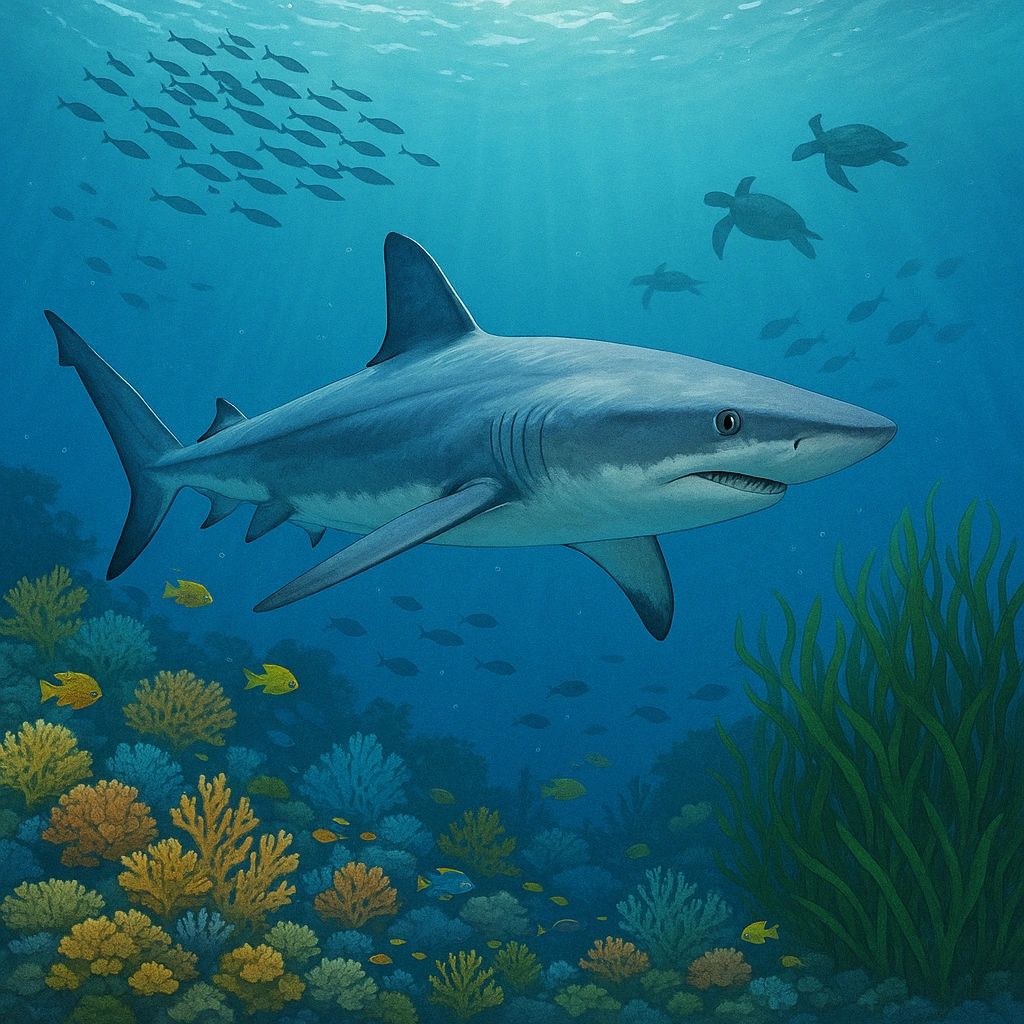
The Unsung Heroes of the Sea
When you think of sharks, what comes to mind? Is it sharp teeth, scary music from Jaws, or images of fins slicing through the water? Sharks often get a bad reputation, but these powerful predators are actually vital to keeping our oceans healthy and balanced. Without sharks, marine ecosystems could collapse. Let’s dive deep into why sharks are so important and why protecting them is critical for the future of the oceans — and ourselves.
Sharks: Nature’s Ocean Keepers
Sharks are apex predators, which means they’re at the very top of the food chain. Just like lions in the savannah or wolves in the forest, sharks play a major role in keeping everything else in balance. They control populations of other marine animals, ensuring that no one species becomes too dominant and throws the whole system out of whack.
Imagine a coral reef where sharks are present. These sharks keep mid-level predators, like groupers and snappers, in check. That means smaller fish and herbivores, such as parrotfish, have a better chance to thrive. And those herbivores? They play a big role in grazing algae off corals, keeping reefs clean and healthy. When sharks disappear, this balance can fall apart fast.
Healthy Fish Populations Depend on Sharks
One of the coolest ways sharks help the ocean is by encouraging stronger, healthier fish populations. Sharks often prey on the sick, weak, or old animals. That might sound harsh, but it’s actually a form of natural selection that improves the overall health of the species they hunt.
For example, tiger sharks are known to prey on injured sea turtles and unhealthy fish in seagrass beds. This reduces the spread of disease and helps prevent overgrazing in sensitive habitats like seagrass meadows, which are important carbon sinks. It’s like nature’s version of quality control!
Studies from regions like the Bahamas and Palmyra Atoll show that areas with strong shark populations also have more balanced food webs and greater biodiversity. In contrast, overfished regions where sharks have vanished often show signs of ecosystem stress and species loss (Heithaus et al., 2008).
Sharks Support Coral Reefs
Coral reefs are home to more than 25% of all marine life. They’re sometimes called the “rainforests of the sea,” and like rainforests, they are fragile and in trouble. Climate change, overfishing, and pollution are threatening reef systems around the globe. But here’s where sharks come in.
Sharks help coral reefs by managing the populations of species that can damage or overgraze the reef. Without sharks, herbivorous fish may decline because they get eaten by an overpopulation of mid-level predators. That allows algae to grow unchecked, smothering coral and reducing biodiversity.
In the absence of sharks, reefs can quickly become unbalanced and unhealthy. But with sharks, the food chain stays in check, coral has a chance to thrive, and the reef remains a bustling, colorful community.
Seagrass and Sharks: A Surprising Connection
Seagrass beds don’t always get the same attention as coral reefs, but they’re just as important. These underwater meadows are nurseries for many marine animals, filter pollutants from the water, and store massive amounts of carbon — even more than tropical forests per acre!
Sharks help protect these precious habitats by influencing the behavior of animals like sea turtles and dugongs. In places like Shark Bay, Australia, tiger sharks patrol the waters. Their presence makes turtles and dugongs avoid overgrazing specific areas of seagrass, which gives the grass time to recover and grow.
This balance is known as a “trophic cascade,” where top predators shape the environment not just through hunting, but by changing the behavior of other animals (Burkholder et al., 2013). Without sharks, seagrass beds become patchy and unhealthy — and so does the marine life that depends on them.
Ocean Carbon Cycling and Climate Health
Here’s a fact you might not expect: sharks play a role in the fight against climate change.
By maintaining healthy populations of seagrass and ocean plankton eaters, sharks indirectly support carbon storage in the ocean. Healthy seagrass and phytoplankton capture and store carbon dioxide from the atmosphere. When mid-level predators are left unchecked due to shark loss, they overconsume the animals that keep these carbon sinks in balance.
In addition, the death of sharks can lead to increases in jellyfish populations. Jellyfish blooms can disrupt fisheries and contribute to the decline of zooplankton, which play a major role in ocean carbon absorption.
In this way, sharks are important allies in keeping our oceans — and planet — cool.
Economic Value Through Ecotourism
Sharks are worth far more alive than dead. Shark-based ecotourism brings in hundreds of millions of dollars every year to coastal communities. Countries like the Bahamas, Fiji, and the Maldives have built entire industries around shark diving. This sustainable tourism supports local jobs, marine protection, and ocean awareness.
A single shark can be worth over $1 million in tourism revenue over its lifetime, compared to just a few hundred dollars if caught for its fins or meat (Vianna et al., 2011). Protecting sharks doesn’t just make ecological sense — it makes economic sense too.
The Problem: Sharks in Trouble
Despite their importance, sharks are facing a crisis. Over one-third of all shark and ray species are now threatened with extinction (Dulvy et al., 2021). The reasons? Overfishing, habitat loss, bycatch in fishing nets, and the demand for shark fins and liver oil.
Many shark species reproduce slowly. Some only have a few pups after a long gestation period — sometimes longer than a human pregnancy. That makes them extremely vulnerable to overfishing. Once their numbers drop, recovery can take decades.
When shark populations decline, the effects ripple through the entire marine food web. Fish stocks collapse, reefs and seagrass beds weaken, and biodiversity suffers. We’re not just losing sharks — we’re risking the health of the whole ocean.
What Happens When Sharks Disappear?
Scientists have already studied what happens when sharks vanish — and the results aren’t pretty.
In one famous example, the collapse of large shark populations along the U.S. East Coast led to an explosion in cownose rays. These rays feed on scallops, and with no sharks to keep them in check, they decimated scallop beds. This destroyed a once-thriving scallop fishery and hurt the local economy (Myers et al., 2007).
In coral reef ecosystems, losing sharks can shift the balance toward algae-dominated habitats and lead to a sharp drop in reef fish diversity. In other words, ecosystems become simpler, weaker, and more prone to collapse.
Sharks and Biodiversity: The Web of Life
Sharks are connected to everything in the ocean. Whether it’s helping coral reefs thrive, keeping fish populations healthy, or supporting the creatures that store carbon, sharks are the guardians of biodiversity.
They don’t just eat — they shape ecosystems by managing relationships between species. Their presence helps prevent imbalances, plagues of jellyfish, overgrazing, and disease outbreaks in marine life. A healthy shark population signals a healthy, resilient ocean.
How You Can Help Sharks (And the Ocean)
Feeling inspired to help sharks? Here are some simple ways you can make a difference:
- Support Shark Conservation Groups: Organizations like Shark Trust, Shark Advocates International, and WildAid work to protect shark populations around the world.
- Say No to Shark Fin Soup: Avoid supporting the shark fin trade, which is responsible for the deaths of millions of sharks each year.
- Choose Sustainable Seafood: Use guides like the Seafood Watch app to make ocean-friendly choices.
- Educate Others: Share what you’ve learned about sharks. The more people understand their value, the more we can work together to protect them.
- Be a Responsible Tourist: If you go shark diving, choose eco-certified guides who follow safe and sustainable practices.
Conclusion: Sharks Are Ocean Lifelines
It’s time to change the way we see sharks. They’re not mindless killers or monsters — they’re essential parts of the ocean’s life-support system. Sharks are natural regulators, biodiversity builders, and ecosystem balancers. They quietly keep coral reefs alive, protect seagrass beds, and help fight climate change.
The health of the ocean — and the planet — depends on sharks. Without them, the sea loses its heartbeat. But with them, life thrives.
By protecting sharks, we’re protecting everything that depends on the ocean: from the tiniest plankton to ourselves.
Bibliography
Burkholder, D. A., Heithaus, M. R., Fourqurean, J. W., Fraser, M. W., & Thompson, L. (2013). Patterns of top-down control in a seagrass ecosystem: Could a roving apex predator induce a behavior-mediated trophic cascade? Journal of Animal Ecology, 82(6), 1192–1202. https://doi.org/10.1111/1365-2656.12097
Dulvy, N. K., Pacoureau, N., Rigby, C. L., Pollom, R. A., Jabado, R. W., Ebert, D. A., … & Simpfendorfer, C. A. (2021). Overfishing drives over one-third of all sharks and rays toward a global extinction crisis. Current Biology, 31(21), 4773-4787.e8. https://doi.org/10.1016/j.cub.2021.08.062
Heithaus, M. R., Frid, A., Wirsing, A. J., & Worm, B. (2008). Predicting ecological consequences of marine top predator declines. Trends in Ecology & Evolution, 23(4), 202–210. https://doi.org/10.1016/j.tree.2008.01.003
Myers, R. A., Baum, J. K., Shepherd, T. D., Powers, S. P., & Peterson, C. H. (2007). Cascading effects of the loss of apex predatory sharks from a coastal ocean. Science, 315(5820), 1846–1850. https://doi.org/10.1126/science.1138657
Vianna, G. M. S., Meekan, M. G., Pannell, D., Marsh, S., & Meeuwig, J. J. (2011). The socio-economic value of the shark-diving industry in Fiji. Australian Institute of Marine Science. https://doi.org/10.13140/2.1.1800.6407
Originally published at the live site .